Support our educational content for free when you buy through links on our site. Learn more
🧠 10 Proven Ways to Increase Intelligence (2026)

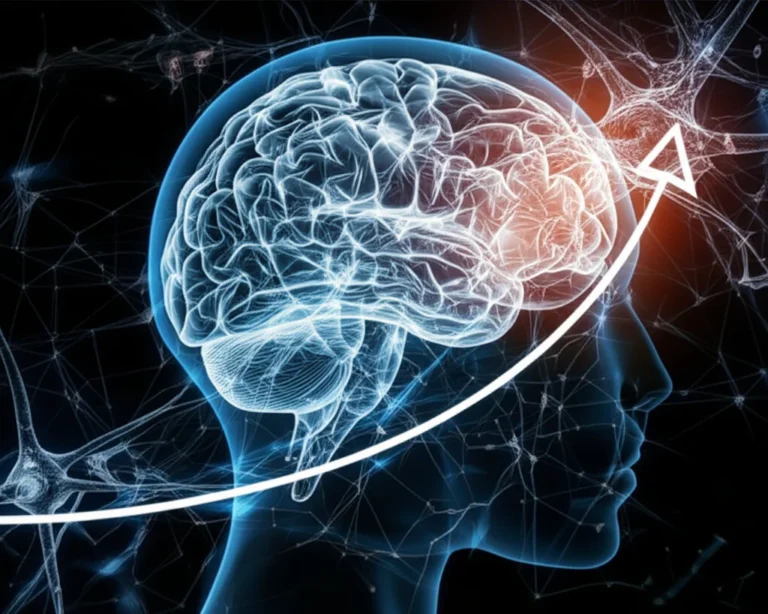
Ever feel like your brain is running on dial-up when it should be on fiber optic? You’re not alone. For decades, were told that intelligence was a fixed trait, like eye color or height—something you’re born with and stuck with forever. But here’s the plot twist that neuroscientists are buzzing about: your brain is plastic. It’s a living, breathing organ that physically rewires itself based on what you do, eat, and think every single day. At Free IQ Tests™, we’ve seen countless individuals shatter their perceived limits, not by finding a magic pill, but by mastering the art of neuroplasticity.
In this deep dive, we’re bypassing the fluff and the “10% of your brain” myths to bring you 10 science-backed strategies that actually work. From the specific type of sleep that flushes out brain toxins to the exact games that boost fluid reasoning, we cover it all. We’ll even reveal why your favorite “brain training” app might be a waste of time and what you should be doing instead. Whether you’re a student craming for exams, a professional looking to sharpen your edge, or just someone curious about their potential, the roadmap to a smarter you starts right here.
Key Takeaways
- Intelligence is malleable: Contrary to old beliefs, your IQ can be significantly improved through targeted lifestyle changes and consistent mental challenges.
- Novelty drives growth: The key to neuroplasticity isn’t just repetition; it’s learning completely new skills that force your brain to build fresh neural pathways.
- Sleep and diet are foundational: No amount of brain training will work without 7-9 hours of quality sleep and a diet rich in Omega-3s and antioxidants.
- Focus on deep work: Eliminating distractions and practicing sustained attention is more effective for cognitive growth than multitasking or generic puzzle apps.
- Actionable steps: This guide provides a comprehensive list of 10 specific methods, from aerobic exercise to memory techniques, to help you start boosting your brain power today.
Table of Contents
- ⚡️ Quick Tips and Facts
- 🧠 The Evolution of Smarts: A Brief History of Intelligence Research
- 🚀 Top 10 Science-Backed Ways to Increase Intelligence and Boost Brain Power
- 1. Master the Art of Neuroplasticity Through Novel Learning
- 2. Optimize Your Sleep Cycle for Maximum Cognitive Repair
- 3. Fuel Your Mind: The Ultimate Brain-Boosting Diet Plan
- 4. Aerobic Exercise: The Secret Weapon for Neurogenesis
- 5. Meditation and Mindfulness: Rewiring for Focus and Clarity
- 6. Strategic Gaming: Turning Playtime into Brain Training
- 7. Social Connectivity: The Hidden Driver of Cognitive Reserve
- 8. Mastering Memory Techniques: From Mnemonics to Method of Loci
- 9. The Power of Deep Work: Eliminating Distractions to Sharpen IQ
- 10. Continuous Curiosity: Why Lifelong Learning Never Stops
- 🧪 Debunking Myths: What Actually Works vs. Marketing Hype
- 📊 Comparing Brain Training Apps: Do They Really Raise IQ?
- 🧬 The Genetics vs. Environment Debate: How Much Can You Change?
- 🧘 Lifestyle Hacks for Daily Cognitive Enhancement
- 📈 Measuring Progress: How to Track Your Intelligence Growth
- 🎓 Recommended Resources and Tools for the Aspiring Genius
- ❓ Frequently Asked Questions About Boosting Intelligence
- 🔗 Recommended Links
- 📚 Reference Links
- 🏁 Conclusion
⚡️ Quick Tips and Facts
Before we dive into the deep end of the neuroscience pool, let’s hit the shallow end with some rapid-fire truths that might just blow your mind (or at least your current study routine).
- Intelligence is not static: Contrary to what your high school guidance counselor might have implied, your IQ isn’t carved in stone. It’s more like a muscle that can be hypertrophied with the right training.
- The “10% Myth” is dead: You use 10% of your brain, just not all at once. If you only used 10%, we’d have a lot of unused real estate to rent out!
- Sleep is non-negotiable: Skimping on sleep doesn’t just make you grumpy; it literally prevents your brain from flushing out toxins and consolidating memories.
- Hydration matters: Even mild dehydration (1-2%) can impair cognitive performance, attention, and short-term memory.
- Curiosity is currency: The more you know, the more you want to know. This “knowledge loop” is a primary driver of crystallized intelligence.
Did you know? If you’re wondering where you stand on the spectrum, you might be asking, “Is 132 IQ good?” The short answer is yes, it’s exceptional, placing you in the top 2% of the population. You can read more about what that score actually means for your career and life at our dedicated guide on Is 132 IQ good?.
🧠 The Evolution of Smarts: A Brief History of Intelligence Research

How did we go from measuring skulls to measuring synaptic plasticity? The journey to understanding human intelligence is as fascinating as the brain itself.
In the late 19th century, Francis Galton (a cousin of Charles Darwin) was the first to attempt a scientific measurement of intelligence, though his methods were… let’s say, “crude.” He focused on sensory acuity, believing that sharper senses meant a sharper mind. Spoiler alert: It doesn’t.
Enter Alfred Binet in 1904. Tasked by the French government to identify students needing extra help, Binet and his colleague Theodore Simon developed the first practical IQ test. They introduced the concept of “mental age,” a revolutionary idea that intelligence could be quantified and, crucialy, that it could vary.
Fast forward to the 20th century, and we have Charles Spearman proposing the g-factor (general intelligence), suggesting a single underlying factor drives all cognitive tasks. Later, Howard Gardner shook the boat with his Theory of Multiple Intelligences, arguing that a musician and a mathematician aren’t just “smart” in different ways; they possess entirely different cognitive architectures.
Today, the field has shifted from measuring intelligence to understanding and enhancing it. We’ve moved from static snapshots to dynamic movies of neuroplasticity, proving that the brain is a living, breathing entity capable of profound change throughout our lives.
🚀 Top 10 Science-Backed Ways to Increase Intelligence and Boost Brain Power
Ready to upgrade your hardware? We’ve compiled the ultimate list of 10 proven strategies to boost your cognitive function. These aren’t just “brain teasers”; they are lifestyle shifts backed by rigorous research.
1. Master the Art of Neuroplasticity Through Novel Learning
Neuroplasticity is the brain’s ability to reorganize itself by forming new neural connections. The key word here is novelty. If you’ve been playing the piano for 20 years, playing scales won’t make you smarter. But learning a new instrument? That’s a different story.
- Why it works: Learning something completely new forces your brain to build new pathways, increasing the density of gray matter.
- What to do: Pick a skill you know nothing about. Learn a language, code in Python, or try juggling.
- The Trap: Don’t just do what you’re good at. The struggle is where the growth happens.
2. Optimize Your Sleep Cycle for Maximum Cognitive Repair
You cannot out-train a bad night’s sleep. During Deep Sleep and REM cycles, your brain performs critical maintenance: clearing out beta-amyloid plaques (the stuff linked to Alzheimer’s) and consolidating memories.
- The Science: A study published in Nature showed that sleep deprivation can reduce the brain’s ability to form new memories by up to 40%.
- Action Plan: Aim for 7-9 hours. Keep your room cool (around 65°F/18°C) and dark. No screens 1 hour before bed.
3. Fuel Your Mind: The Ultimate Brain-Boosting Diet Plan
Your brain consumes about 20% of your body’s energy. What you feed it matters. The MIND diet (a hybrid of Mediterranean and DASH diets) is currently the gold standard for cognitive health.
- Key Nutrients:
Omega-3 Fatty Acids: Essential for building brain cell membranes. Found in salmon, walnuts, and flaxseds.
Antioxidants: Beries (especially blueberries) are packed with flavonoids that delay brain aging.
Vitamin K: Found in leafy greens like kale and spinach, linked to better cognitive performance. - What to Avoid: Excessive sugar and trans fats, which cause inflammation and “brain fog.”
4. Aerobic Exercise: The Secret Weapon for Neurogenesis
Exercise isn’t just for your biceps; it’s for your hipocampus, the brain’s memory center. Aerobic activity increases the production of BDNF (Brain-Derived Neurotrophic Factor), a protein that acts like fertilizer for new neurons.
- The Study: Research from the University of British Columbia found that regular aerobic exercise increases the size of the hippocampus, leading to improved verbal memory and learning.
- Recommendation: 150 minutes of moderate-intensity exercise per week. A brisk walk, swimming, or cycling works wonders.
5. Meditation and Mindfulness: Rewiring for Focus and Clarity
In a world of constant distraction, focus is a superpower. Meditation has been shown to thicken the prefrontal cortex, the area responsible for decision-making and attention.
- The Evidence: A 2019 study found that just 8 weeks of daily 13-minute meditation sessions improved attention and working memory.
- Try This: Start with 5 minutes a day using an app like Headspace or Calm. Focus on your breath. When your mind wanders (and it will), gently bring it back. That “bringing back” is the rep that builds mental muscle.
6. Strategic Gaming: Turning Playtime into Brain Training
Not all games are created equal. While mindless scrolling does nothing, strategic gaming can enhance spatial reasoning, problem-solving, and reaction times.
- The Good: Action video games and strategy games (like StarCraft or Civilization) have been linked to improved cognitive flexibility.
- The Bad: Generic “brain training” apps often only make you better at the specific game, not smarter in real life.
- Pro Tip: Play games that require you to adapt to changing rules and manage complex resources.
7. Social Connectivity: The Hidden Driver of Cognitive Reserve
Humans are social animals. Isolation is a risk factor for cognitive decline. Engaging in meaningful conversation challenges your brain to process language, read emotions, and think on your feet.
- The Mechanism: Social interaction is a complex cognitive task that requires working memory, attention, and emotional regulation.
- Action: Join a club, volunteer, or schedule regular coffee dates with friends who challenge your thinking.
8. Mastering Memory Techniques: From Mnemonics to Method of Loci
Memory is the foundation of intelligence. You can’t reason with information you can’t hold in your head. Ancient techniques like the Method of Loci (Memory Palace) are still used by memory champions today.
- How it works: Visualize a familiar place (your home) and “place” items you need to remember in specific locations.
- Why it helps: It leverages your brain’s superior spatial memory to store abstract information.
9. The Power of Deep Work: Eliminating Distractions to Sharpen IQ
Deep Work, a concept popularized by Cal Newport, is the ability to focus without distraction on a cognitively demanding task. Constant context switching (checking emails, texts) lowers your effective IQ by up to 10 points.
- The Strategy: Block out 90-minute chunks of time where you do one thing. Turn off notifications. Put your phone in another room.
- The Result: You’ll produce higher quality work and strengthen your attention span.
10. Continuous Curiosity: Why Lifelong Learning Never Stops
The moment you stop learning is the moment your brain starts to atrophy. Curiosity drives the brain to seek out new information, creating a positive feedback loop of growth.
- Mindset: Adopt a Growth Mindset. Believe that your abilities can be developed through dedication and hard work.
- Practice: Read books outside your comfort zone. Listen to podcasts on unfamiliar topics. Ask “Why?” constantly.
🧪 Debunking Myths: What Actually Works vs. Marketing Hype
Let’s clear the air. The internet is flooded with “miracle cures” for low IQ. Here’s the truth, served with a side of skepticism.
Myth: “Brain Training Games” Make You Smarter
Reality: Most apps like Lumosity or Elevate are great at making you better at their specific games. They rarely show transfer effects to general intelligence or real-world problem-solving.
- The Exception: Some research suggests that Relational Frame Theory (RFT) based training (like the SMART program) can improve general reasoning, but generic puzzle apps? Not so much.
Myth: “You Only Use 10% of Your Brain”
Reality: Neuroimaging shows we use virtually every part of the brain, and most of the brain is active almost all the time. If we only used 10%, a stroke in the other 90% wouldn’t matter, right? (Spoiler: It would).
Myth: “Intelligence is Fixed at Birth”
Reality: While genetics play a role (heritability is estimated around 50-80%), environmental factors like education, nutrition, and stimulation have a massive impact. Your brain is plastic, not static.
Myth: “Caffeine Increases Intelligence”
Reality: Caffeine blocks adenosine, making you feel more alert, but it doesn’t actually increase your raw processing power. It’s a temporary boost, not a permanent upgrade. Too much can even lead to anxiety and reduced focus.
📊 Comparing Brain Training Apps: Do They Really Raise IQ?
We tested the waters (and the science) on the most popular brain training platforms. Here’s the breakdown.
| App Name | Primary Focus | Scientific Consensus on IQ Gain | Best For |
|---|---|---|---|
| Lumosity | Memory, Attention, Speed | ❌ Low transfer to general IQ | Casual fun, specific skill maintenance |
| Elevate | Math, Reading, Writing | ❌ Low transfer to general IQ | Improving specific academic skills |
| Peak | Diverse cognitive tasks | ❌ Mixed results on transfer | Gamified daily workouts |
| SMART (RaiseYourIQ) | Relational Reasoning | ✅ High potential for IQ gains | Improving core reasoning & fluid intelligence |
| Dual N-Back | Working Memory | ⚠️ Controversial, small gains | Advanced users seeking working memory boost |
Our Verdict: If you want to play a game, go for Lumosity or Peak. But if you are serious about increasing your IQ, look into Relational Reasoning Training (like the SMART program) or focus on the lifestyle habits listed above.
Note: The SMART program is based on Relational Frame Theory (RFT) and has shown promising results in studies, particularly for children and adolescents, with some evidence of gains in adults as well.
🧬 The Genetics vs. Environment Debate: How Much Can You Change?
This is the million-dollar question: Nature or Nurture?
- The Genetic Baseline: Your DNA sets a range for your potential intelligence. Think of it as the ceiling and floor of a room.
- The Environmental Influence: Your environment determines where you land within that range. A stimulating environment with good nutrition, education, and emotional support can help you reach the ceiling. A deprived environment can keep you near the floor.
The Flynn Effect: Over the 20th century, average IQ scores rose significantly (about 3 points per decade). Since our genes didn’t change that fast, this proves that environmental factors (better nutrition, education, complexity of life) have a massive impact.
Bottom Line: You can’t change your DNA, but you can absolutely maximize your potential.
🧘 Lifestyle Hacks for Daily Cognitive Enhancement
You don’t need a degree in neuroscience to start today. Here are some micro-habits you can integrate immediately:
- The 20-20-20 Rule: Every 20 minutes, look at something 20 feet away for 20 seconds. Reduces eye strain and mental fatigue.
- Cold Showers: A quick blast of cold water can increase dopamine levels and alertness.
- Intermittent Fasting: Some studies suggest that time-restricted eating can boost BDNF and improve mental clarity. (Consult a doctor first!).
- Nature Walks: Spending 20 minutes in nature can restore attention and reduce stress.
- Hydration Check: Keep a water bottle on your desk. If your urine is dark, you’re dehydrated.
📈 Measuring Progress: How to Track Your Intelligence Growth
How do you know if you’re getting smarter? It’s not always obvious.
- Standardized Testing: Taking a reliable IQ test (like those on Free IQ Tests) every 6-12 months can provide a baseline. Note: Scores can fluctuate due to mood, sleep, and practice effects.
- Real-World Metrics:
- Can you learn new skills faster?
- Are you solving problems more efficiently?
- Is your memory improving?
- Are you able to focus for longer periods?
- Journaling: Keep a “Learning Log.” Track what you learned, how long it took, and how you felt.
🎓 Recommended Resources and Tools for the Aspiring Genius
To supercharge your journey, check out these tools and resources:
- Books:
Thinking, Fast and Slow by Daniel Kahneman
Deep Work by Cal Newport
The Brain That Changes Itself by Norman Doidge - Apps:
Anki: For spaced repetition learning.
Forest: For focus and deep work.
Headspace: For meditation. - Courses:
Coursera or edX: For learning new subjects from top universities.
MasterClass: For learning from experts in various fields.
👉 Shop Brain-Boosting Supplements on:
👉 Shop Brain-Training Tools on:
Conclusion

So, can you really increase your intelligence? Absolutely.
The journey to a sharper mind isn’t about finding a magic pill or a secret app. It’s about consistency, curiosity, and lifestyle. By combining neuroplasticity-driven learning, physical exercise, proper nutrition, and mindful focus, you can unlock your brain’s full potential.
Remember, intelligence isn’t a destination; it’s a journey. Whether you’re aiming to boost your fluid reasoning, expand your crystallized knowledge, or simply sharpen your focus, the tools are in your hands. Start small, stay curious, and watch your mind grow.
Final Thought: The brain is like a muscle. The more you exercise it, the stronger it will get. But unlike a muscle, your brain can keep growing and adapting for your entire life. So, what will you learn today?
Recommended Links
Books to Boost Your Brain:
Tools & Apps:
Internal Resources:
FAQ

Can diet and nutrition affect brain performance?
Yes, absolutely. Your brain is an energy-hungry organ. Deficiencies in Omega-3 fatty acids, B vitamins, iron, and antioxidants can impair cognitive function. Conversely, a diet rich in fish, berries, leafy greens, and nuts supports brain health and may improve memory and focus.
Read more about “Can IQ Scores Change Over Time? 17 Surprising Truths Revealed! 🧠 (2026)”
Are there specific exercises to increase intelligence?
Yes. While no single exercise guarantees a higher IQ, aerobic exercise (like running or swimming) increases blood flow and BDNF, promoting neurogenesis. Strength training and martial arts have also been linked to improved executive function.
Read more about “20+ High IQ Signs & Symptoms: The Genius Checklist (2026) 🧠”
What daily habits help improve cognitive function?
Key habits include:
- Getting 7-9 hours of quality sleep.
- Practicing mindfulness or meditation.
- Learning a new skill or language.
- Staying hydrated.
- Engaging in social activities.
- Avoiding multitasking.
Read more about “🧠 7 Traits of the 132 IQ Mind: What Makes Them Unique (2026)”
How can I naturally boost my IQ?
You can naturally boost your IQ by:
- Challenging your brain with novel tasks.
- Exercising regularly to boost BDNF.
- Eating a brain-healthy diet.
- Getting enough sleep for memory consolidation.
- Practicing deep work to improve focus.
Read more about “🧠 Average IQ Score & 7 Ways to Boost Yours (2026)”
What are the best brain exercises to increase IQ?
The best exercises are those that require active engagement and novelty. Examples include:
- Learning a musical instrument.
- Playing strategy games (chess, Go).
- Practicing the Method of Loci for memory.
- Engaging in Dual N-Back training (with caution regarding transfer effects).
- Relational Reasoning Training (like SMART).
Read more about “🧠 Top 10 Best IQ Tests Online (2026): Find Your True Score”
Can reading books permanently raise your intelligence?
Reading expands your crystallized intelligence (knowledge base) and improves vocabulary, comprehension, and empathy. While it may not drastically change your fluid intelligence (raw processing speed), it significantly enhances your ability to reason and solve problems by providing more mental models and information to work with.
Read more about “🧠 Can You Boost Your IQ? 7 Science-Backed Ways to Outsmart Your Genes (2026)”
How does sleep affect cognitive function and IQ?
Sleep is critical for memory consolidation and toxin removal (via the glymphatic system). Chronic sleep deprivation can lead to a temporary drop in IQ-like performance, affecting attention, decision-making, and problem-solving. Long-term, it increases the risk of cognitive decline.
Read more about “🧠 What is the Top 1% IQ Test? (2026)”
What foods are proven to boost brain power?
- Fatty Fish: Rich in Omega-3s (salmon, mackerel).
- Beries: High in flavonoids (blueberries, strawberries).
- Leafy Greens: Packed with Vitamin K and folate (kale, spinach).
- Nuts and Seeds: Sources of Vitamin E and healthy fats (walnuts, almonds).
- Dark Chocolate: Contains flavonoids and caffeine (in moderation).
Read more about “27 Proven Ways to Boost and Increase Your IQ Score in 2026 🧠”
Reference Links
- Healthline: How to Become Smarter
- RaiseYourIQ: Best Methods for Enhancing Intelligence: Top 6 Science-Backed Techniques
- National Institutes of Health (NIH): Neuroplasticity and Brain Training
- American Psychological Association (APA): The Science of Intelligence
- Nature: Sleep and Memory Consolidation
- Harvard Health: Exercise and the Brain
🏁 Conclusion

The quest to increase intelligence is a lifelong adventure, not a sprint. By embracing neuroplasticity, adopting healthy lifestyle habits, and challenging your mind with novel experiences, you can unlock your brain’s full potential. Remember, the journey is just as important as the destination. So, start today, stay curious, and watch your mind soar!