Support our educational content for free when you buy through links on our site. Learn more
14 Proven Ways to Increase Intelligence in 2025 🧠

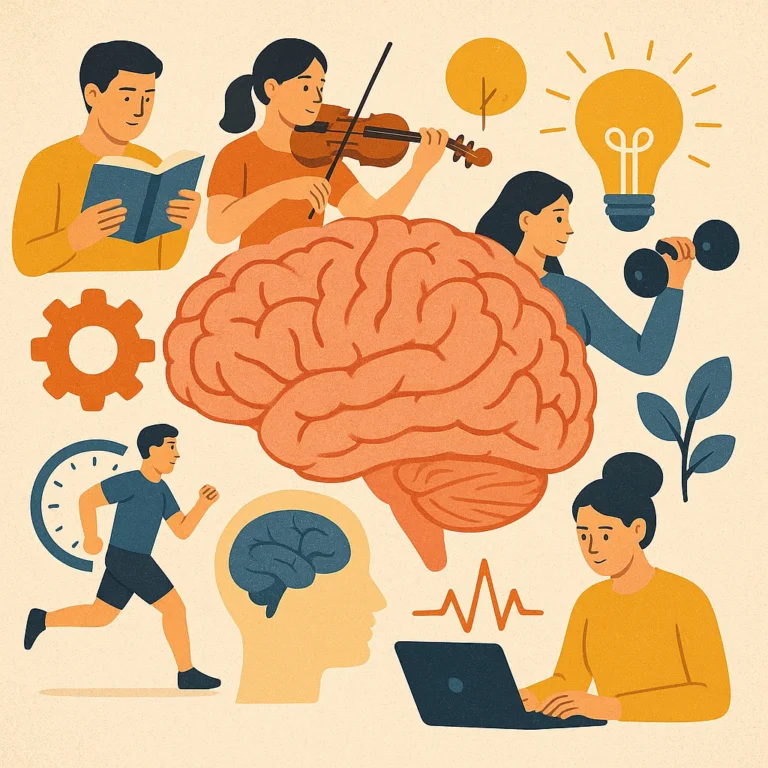
Ever wondered if you could actually boost your brainpower beyond what you were born with? Spoiler alert: you absolutely can! Intelligence isn’t a fixed trait handed down by genetics alone—it’s a dynamic skill set you can nurture and grow. From simple daily habits like drinking green tea to more immersive activities like learning a musical instrument, this article dives into 14 scientifically backed ways to increase your intelligence that go far beyond the usual advice.
Did you know that regular exercise can physically grow parts of your brain linked to memory? Or that meditation can literally increase gray matter density? We’ll unpack these fascinating insights and more, revealing how your lifestyle choices shape your cognitive abilities. Plus, stick around for expert tips on avoiding common brain traps that secretly sabotage your smarts.
Key Takeaways
- Intelligence is malleable: Your brain can rewire and grow through neuroplasticity.
- Physical health fuels mental performance: Exercise, sleep, hydration, and nutrition are foundational.
- Mental challenges build cognitive reserve: Lifelong learning, brain games, and new skills keep your mind sharp.
- Social connections enhance brain function: Engaging with others stimulates complex cognitive processes.
- Avoid shortcuts and myths: No magic pills or passive habits will truly increase intelligence.
Ready to start your brain-boosting journey? Whether you want to sharpen memory, improve focus, or simply think faster, these 14 strategies will give you a comprehensive roadmap to a smarter you in 2025 and beyond!
Table of Contents
- ⚡️ Quick Tips and Facts
- 🧠 Unlocking Your Brain’s Potential: A Journey Through Intelligence Enhancement
- Top Strategies to Boost Your Brainpower & Cognitive Function
- Understanding Different Types of Intelligence
- The Science Behind Brain Plasticity: Can You Really Get Smarter?
- Debunking Intelligence Myths: What Doesn’t Work
- The Bottom Line: A Holistic Approach to Cognitive Enhancement
- Conclusion: Your Journey to a Sharper Mind Starts Now!
- Recommended Links: Further Reading for the Intellectually Curious
- FAQ: Your Burning Questions About Boosting Brainpower Answered
- Reference Links: Our Sources for Smarter Insights
⚡️ Quick Tips and Facts
Welcome, curious minds, to the Free IQ Tests™ official blog! We’re your friendly neighborhood team of educators, and we’re obsessed with one thing: helping you unlock the full potential of that amazing brain of yours. Before we dive deep, here are some rapid-fire insights to get your neurons firing:
| Quick Tip 💡 | The Nitty-Gritty 🤔 |
|---|---|
| Move More, Think Better | Regular exercise, even a brisk walk, boosts blood flow to the brain and can even grow the part of your brain responsible for memory (the hippocampus!). |
| Sleep is Not for the Weak | Your brain cleans house and solidifies memories while you sleep. Skimping on Zs is like trying to run a marathon after an all-night party—not a recipe for success. |
| Read Voraciously | Reading isn’t just fun; it’s a full-brain workout that strengthens neural pathways and can slow cognitive decline. |
| Stay Curious, Always | Actively learning new things—a language, an instrument, how to code—builds “cognitive reserve,” making your brain more resilient. |
| You Are What You Eat | Foods rich in Omega-3s (like salmon), flavonoids (berries!), and Vitamin K (leafy greens) are literal brain food. |
| Ditch the GPS (Sometimes!) | Over-relying on technology for tasks your brain can do (like navigating) can weaken those cognitive muscles. Challenge yourself! |
| Intelligence Isn’t Fixed | This is the big one! As Healthline notes, “Intelligence isn’t a set trait… It’s a changeable, flexible ability to learn and stimulate your brain that can improve over time.” |
🧠 Unlocking Your Brain’s Potential: A Journey Through Intelligence Enhancement
Ever wondered if you’re “stuck” with the smarts you were born with? Let’s bust that myth right now. Here at Free IQ Tests™, we’ve seen firsthand that the human brain is less like a fixed blueprint and more like a dynamic, ever-changing city. It’s a concept called neuroplasticity, and it’s the secret sauce to becoming sharper, quicker, and more creative.
For a long time, intelligence was split into two main buckets:
- Crystallized Intelligence: This is your library of facts, skills, and knowledge you’ve accumulated over a lifetime. Think of it as your brain’s hard drive. It generally increases with age.
- Fluid Intelligence: This is your ability to reason, solve new problems, and think abstractly, independent of any prior knowledge. It’s your brain’s processor.
While we once thought fluid intelligence was largely set in stone, modern science says otherwise. A groundbreaking article in Scientific American confirms that fluid intelligence is indeed “trainable.” This means you can actively get smarter. And no, you don’t need a fancy lab or a team of scientists. You just need the right strategies. Wondering if you have a high IQ to begin with? Check out our article on whether a 132 IQ is good.
Top Strategies to Boost Your Brainpower & Cognitive Function
Alright, let’s get to the good stuff. How do you actually start building a better brain? It’s not about one magic pill; it’s about a holistic lifestyle approach. We’ve compiled the ultimate list of brain-boosting strategies, backed by science and our own team’s experience.
1. 🏃♀️ Move Your Mind: The Power of Physical Activity for Brain Health
If you think exercise is just for your body, think again! Physical activity is one of the most powerful things you can do for your brain.
When you get your heart pumping, you’re increasing blood flow and oxygen to your brain, which is like giving it premium fuel. Research shows that regular exercise can:
- Improve Memory and Thinking Skills: The CDC highlights that even short bursts of activity can boost cognitive functions.
- Grow Your Hippocampus: This seahorse-shaped part of your brain is crucial for learning and memory. Exercise stimulates the release of a protein called BDNF (Brain-Derived Neurotrophic Factor), which acts like fertilizer for your brain cells, promoting growth.
- Reduce Risk of Cognitive Decline: Consistent physical activity is linked to a lower risk of dementia and other age-related cognitive issues.
✅ Our Pro Tip: You don’t have to become a marathon runner! Aim for at least 30 minutes of moderate-intensity exercise, like brisk walking, dancing, or cycling, most days of the week. Even better, try activities that challenge your coordination and balance, like yoga or tennis, for an extra cognitive kick.
2. 😴 Dream Big: Optimizing Sleep for Peak Cognitive Performance
We live in a hustle culture that often treats sleep as a luxury. Big mistake! Sleep is a non-negotiable, mission-critical process for your brain.
Think of your brain like a busy office. During the day, it’s buzzing with activity, creating files (memories) and making a bit of a mess (metabolic waste). When you sleep, the night crew comes in. This is when your brain:
- Consolidates Memories: During deep sleep, the brain replays the day’s events, strengthening important neural connections and transferring memories from short-term to long-term storage. Skimping on sleep means you’re essentially throwing away much of what you learned that day.
- Cleans House: A fascinating discovery is the “glymphatic system,” which is a waste-clearance system that’s most active during sleep. It flushes out toxins that build up during waking hours.
- Prepares for New Learning: Getting enough sleep ensures your brain is refreshed and ready to absorb new information the next day. Sleep deprivation can slash your ability to learn new things by up to 40%!
❌ Common Pitfall: “I’ll just catch up on the weekend.” While it’s better than nothing, it’s not a perfect solution. Your brain thrives on consistency. Aim for 7-9 hours of quality sleep every night.
3. 🧘♀️ Mindful Mastery: Harnessing Meditation for Mental Clarity
Feeling scattered? Overwhelmed? Meditation isn’t just for yogis; it’s a powerful workout for your prefrontal cortex—the CEO of your brain responsible for focus, decision-making, and working memory.
Meditation trains your ability to control your attention. By repeatedly bringing your focus back to your breath, you’re strengthening your “attention muscle.” Studies have shown that even short, consistent meditation practices can lead to:
- Improved Working Memory and Executive Function
- Increased Gray Matter Density in brain regions associated with learning and memory.
- Reduced Stress and Anxiety, which frees up cognitive resources.
✅ Getting Started: Don’t be intimidated! Start with just 5-10 minutes a day. Apps like Calm and Headspace offer fantastic guided meditations for beginners.
4. ☕ The Caffeinated Cognition: Exploring Coffee’s Brain Benefits
Good news for coffee lovers! Your morning cup does more than just wake you up. Caffeine is a powerful psychoactive substance that works by blocking adenosine, a neurotransmitter that makes you feel sleepy. This leads to:
- Increased Alertness and Attention
- Improved Reaction Time and Mental Performance
However, there’s a catch. Too much caffeine can lead to jitters, anxiety, and a nasty crash. The key is moderation and knowing your own tolerance.
5. 🍵 Green Goodness: How Green Tea Enhances Focus and Memory
If coffee makes you anxious, green tea might be your perfect brain-boosting beverage. It contains two key compounds:
- Caffeine: A smaller dose than coffee, providing a gentle lift.
- L-theanine: An amazing amino acid that promotes relaxation without drowsiness.
The combination of caffeine and L-theanine is a cognitive power couple. Research shows it can improve both the speed and accuracy of attention-switching tasks and reduce susceptibility to distracting information. This synergy gives you a calm, focused state of mind—perfect for deep work or studying.
6. 🍎 Fueling Your Genius: Nutrient-Rich Foods for Brain Optimization
You wouldn’t put cheap gas in a Ferrari, so why fuel your high-performance brain with junk? Eating the right foods can have a profound impact on your cognitive function and long-term brain health. Here are the all-stars:
| Nutrient Group | Why It’s a Brain-Booster | Found In |
|---|---|---|
| Omega-3 Fatty Acids | Your brain is about 60% fat, and these are the building blocks of brain cells. They’re crucial for learning and memory. | Fatty fish (salmon, mackerel, sardines), flaxseeds, chia seeds, walnuts, avocados. |
| Flavonoids | These powerful antioxidants protect your brain from oxidative stress and are linked to better executive function. | Berries (blueberries, strawberries), dark chocolate, tea, red wine, citrus fruits. |
| Vitamin K | Essential for brain cell survival and cognitive performance. | Leafy greens (kale, spinach, collards, broccoli). |
| B Vitamins (B6, B12, Folate) | Help regulate homocysteine levels. High levels of this amino acid are linked to cognitive decline. | Eggs, leafy greens, legumes, salmon. |
7. 🎶 Harmonizing Your Mind: The Cognitive Perks of Playing an Instrument
Learning a musical instrument is one of the most complex and rewarding things you can do for your brain. It’s a true full-body workout for your mind, engaging multiple cognitive functions simultaneously.
Playing music strengthens the corpus callosum, the bundle of nerve fibers connecting your brain’s two hemispheres. This enhances communication between them, leading to better problem-solving skills, memory, and creativity. Studies have shown that musical training can improve verbal memory, reading ability, and executive functions. It’s never too late to start!
👉 Shop Musical Instruments on:
- Fender: Amazon | Fender Official Website
- Yamaha Keyboards: Amazon | Walmart | Yamaha Official Website
8. 📚 Dive Deep: Expanding Your World Through Reading
Reading is to the mind what exercise is to the body. When you read, you’re not just passively absorbing words; your brain is on fire with activity. Stanford University researchers found that close literary reading, in particular, gives your brain a workout in multiple complex cognitive functions.
Reading has been shown to:
- Increase Brain Connectivity: It strengthens the connections in the left temporal cortex, the area associated with language.
- Build Your Vocabulary and Knowledge Base (crystallized intelligence).
- Improve Empathy: Losing yourself in a story allows you to see the world from other perspectives.
- Enhance Focus and Concentration in our increasingly distractible world.
9. 🎓 Lifelong Learning: The Art of Continuous Intellectual Growth
The moment you stop learning is the moment you stop growing. Embracing a mindset of lifelong learning is perhaps the most crucial strategy for increasing intelligence. It’s about staying curious and actively seeking out new knowledge and experiences. This builds what scientists call “cognitive reserve,” a buffer that helps your brain resist age-related decline.
As the Scientific American article powerfully states, “Be an ‘Einstein’. Always look to new activities to engage your mind—expand your cognitive horizons.” This means seeking novelty.
How to be a Lifelong Learner:
- Learn a new language using apps like Duolingo or Babbel.
- Take an online course on platforms like Coursera or edX.
- Listen to educational podcasts or watch TED Talks.
- Pick up a new hobby that challenges you, whether it’s coding, painting, or woodworking.
10. 🤝 Connect & Conquer: The Social Brain and Its Benefits
Humans are social creatures. Our brains are wired for connection, and engaging with others is a fantastic way to keep your mind sharp. Socializing challenges your brain to:
- Process verbal and non-verbal cues.
- See different perspectives.
- Engage in memory recall and storytelling.
Meaningful social connections can reduce stress and lower the risk of cognitive decline. So, call a friend, join a club, or volunteer. Your brain will thank you for it.
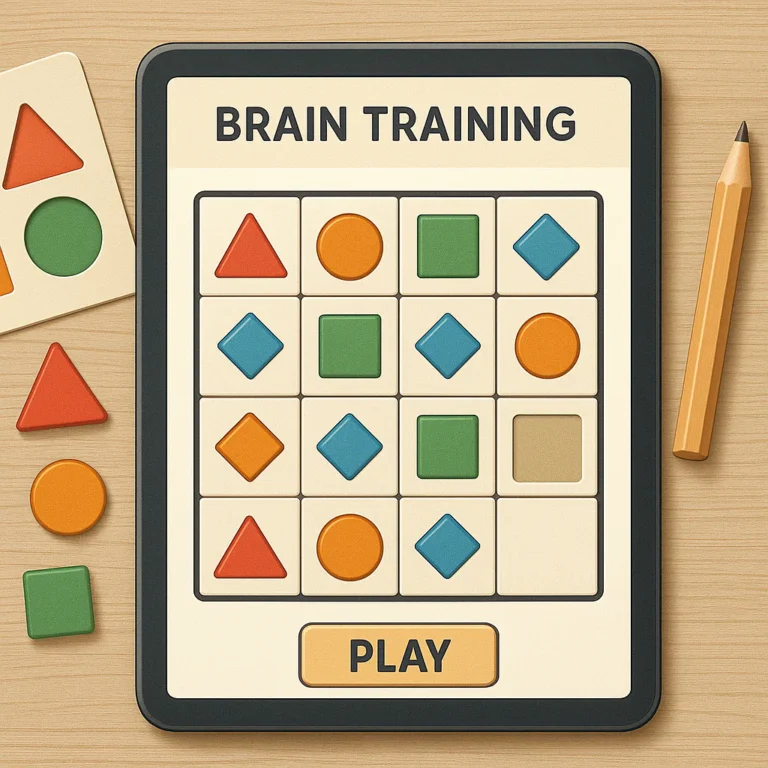
11. 🧩 Brain Games & Puzzles: Sharpening Your Wits with Mental Challenges
Brain games can be a fun way to challenge specific cognitive skills. Activities like crossword puzzles, Sudoku, and strategy games like Chess or Scrabble can improve memory and reasoning.
However, a key insight from the Scientific American article is that challenge and novelty are crucial. “Efficiency is not your friend when it comes to cognitive growth.” Once you master Sudoku, your brain becomes efficient and stops working as hard. The key is to constantly push your boundaries.
For those serious about cognitive training, the dual n-back task is a scientifically validated method shown to improve fluid intelligence. It’s tough, but it works by training your working memory. You can find versions of this online or in app stores.
The video embedded above, titled “12 Daily Habits to Boost Your Intelligence” by TopThink, covers many of these topics in a helpful visual format. You can find it at #featured-video.
12. 💧 Hydration for Higher IQ: The Essential Role of Water
This one is so simple it’s often overlooked. Your brain is about 75% water, and even mild dehydration—a body water loss of just 1-2%—can impair cognitive performance. Dehydration can lead to:
- Poor concentration
- Short-term memory problems
- Increased reaction time
- Moodiness and anxiety
✅ Our Pro Tip: Don’t wait until you’re thirsty! Thirst is a sign that you’re already dehydrated. Keep a water bottle with you throughout the day and sip consistently.
13. ☀️ Sunshine & Smarts: Vitamin D’s Impact on Cognitive Function
Vitamin D, the “sunshine vitamin,” is actually a hormone that plays a vital role in brain health. Receptors for Vitamin D are widespread in brain tissue, and deficiency is linked to an increased risk of cognitive impairment.
Getting some safe sun exposure (about 15-20 minutes a day on your arms and legs) is the best way to get it. You can also find it in fatty fish, fortified milk, and eggs. If you live in a climate with little sun, consider talking to your doctor about a supplement.
14. 🚫 Mind Traps to Avoid: Habits That Hinder Your Intelligence
Just as important as adding good habits is removing the bad ones. Here are some common intelligence-sappers:
- Passive Consumption: Mindlessly scrolling through social media or binge-watching TV shows puts your brain in a passive, receptive state. It’s the cognitive equivalent of junk food.
- Chronic Stress: High levels of the stress hormone cortisol can damage the hippocampus and impair memory.
- Multitasking: Despite what you may think, the human brain is terrible at multitasking. You’re not doing two things at once; you’re rapidly switching between them, which is inefficient and taxes your brain.
- Doing Things the “Easy Way”: As Scientific American wisely points out, over-relying on GPS, spell-check, and auto-correct can atrophy your brain’s natural abilities. Challenge yourself to navigate from memory or proofread your own work.
Understanding Different Types of Intelligence
It’s crucial to remember that a single IQ score doesn’t tell the whole story. As our friends at Healthline point out, standard IQ tests don’t measure creativity or emotional intelligence. That’s where Harvard psychologist Howard Gardner’s Theory of Multiple Intelligences comes in. He proposed that we all have different kinds of “smarts,” including:
- Linguistic: Word smarts
- Logical-Mathematical: Number/reasoning smarts
- Spatial: Picture smarts
- Bodily-Kinesthetic: Body smarts
- Musical: Music smarts
- Interpersonal: People smarts
- Intrapersonal: Self smarts
- Naturalist: Nature smarts
This broader view is empowering! It means everyone has areas where they can shine. Maybe you’re not a math whiz, but you have incredible interpersonal intelligence that makes you a natural leader. Recognizing your unique profile of intelligences is the first step to leveraging your strengths. You can learn more in our IQ Test FAQ.
The Science Behind Brain Plasticity: Can You Really Get Smarter?
Yes, you absolutely can! The ability of your brain to change and adapt is called neuroplasticity. Every time you learn something new, you create new neural pathways. The more you practice that new skill, the stronger and more efficient that pathway becomes—a process called myelination.
Think of it like forging a path in a dense forest. The first time is difficult. But the more you walk that path, the clearer and easier it becomes. That’s your brain physically changing in response to your efforts. This is why lifelong learning and seeking novel challenges are so effective. You are literally rewiring your brain to be smarter.
Debunking Intelligence Myths: What Doesn’t Work
In the quest for a higher IQ, it’s easy to fall for quick fixes and snake oil. Let’s clear the air on a few things that don’t work:
- ❌ “Brain-Boosting” Supplements: The market is flooded with pills promising enhanced memory and focus. However, the truth is there are currently no cognitive health supplements approved by the FDA. Many of these products contain unapproved drugs or have no scientific backing. While certain nutrients from food are vital, there’s no magic pill.
- ❌ Training for the Test: Simply practicing IQ test questions might raise your score on that specific test, but it doesn’t increase your underlying fluid intelligence. It’s like memorizing the answers for an eye exam—it doesn’t actually improve your vision. True cognitive enhancement comes from activities that don’t resemble the test questions, as noted by Scientific American.
- ❌ Listening to “Baby Einstein”: While exposing children to music is wonderful, the idea that passively listening to Mozart in the crib will create a genius has been largely debunked. Active engagement, like learning an instrument, is what makes the difference. Check out our resources on Children’s IQ Tests for more on this topic.
The Bottom Line: A Holistic Approach to Cognitive Enhancement
So, what’s the secret to increasing your intelligence? There isn’t one. The real “secret” is that there is no shortcut. It’s about building a lifestyle that consistently supports and challenges your brain.
As Healthline concludes, “The best way to train these areas of your brain is to engage in thoughtful activities and games, learn new skills, and keep your brain active.” It’s about combining physical health (exercise, sleep, nutrition) with mental stimulation (novelty, challenge, reading, socializing).
Your intelligence is not a static number but a dynamic capacity that you can nurture and grow throughout your life. It’s a journey, not a destination. And it’s one that can have profound impacts on all areas of your life, from your personal relationships to your professional success, a topic we explore in our IQ and Career Development section.
Conclusion: Your Journey to a Sharper Mind Starts Now!

We’ve taken quite the cerebral journey together, haven’t we? From busting myths about fixed intelligence to exploring the science-backed ways to boost your brainpower, one thing is crystal clear: your intelligence is not set in stone. It’s a living, breathing, evolving part of you that responds to your lifestyle choices, habits, and mindset.
Remember the question we teased earlier—Can you really get smarter? The answer is a resounding YES! Through consistent physical activity, quality sleep, mindful meditation, brain-boosting nutrition, and challenging your mind with new skills and social connections, you’re literally rewiring your brain for success.
No magic pills or shortcuts here—just smart, sustainable habits that build your cognitive reserve and unlock your full potential. Whether you’re a lifelong learner, a budding musician, or just someone looking to stay sharp, the tools are in your hands.
So, what’s next? Start small. Pick one or two strategies that resonate with you and build from there. Your brain will thank you with better focus, memory, creativity, and problem-solving skills. And if you want to test your progress, don’t forget to check out our Free IQ Tests to see how your brainpower evolves!
Recommended Links: Further Reading for the Intellectually Curious
Ready to dive deeper or gear up with the best tools? Here’s where to start:
Shop Brain-Boosting Products & Instruments
- Fender Guitars: Amazon | Fender Official Website
- Yamaha Keyboards: Amazon | Walmart | Yamaha Official Website
- Meditation Apps: Calm | Headspace
- Language Learning Apps: Duolingo | Babbel
Must-Read Books on Intelligence & Brain Health
- “The Brain That Changes Itself” by Norman Doidge — A fascinating dive into neuroplasticity and how your brain can rewire itself.
- “Peak: Secrets from the New Science of Expertise” by Anders Ericsson — Learn how deliberate practice can make you smarter and better at anything.
- “Spark: The Revolutionary New Science of Exercise and the Brain” by John J. Ratey — Discover how physical activity supercharges your brain.
FAQ: Your Burning Questions About Boosting Brainpower Answered

How can I naturally boost my IQ?
Natural IQ boosting is all about building your brain’s capacity through lifestyle and learning. Engage in activities that challenge your fluid intelligence—like solving puzzles, learning new skills, or practicing working memory tasks such as the dual n-back. Regular physical exercise, adequate sleep, and a nutrient-rich diet support brain health, while meditation and social interaction enhance focus and cognitive flexibility. Remember, IQ isn’t a fixed number; it’s a dynamic ability that grows with effort.
Read more about “Can IQ Scores Really Be Raised? 7 Proven Ways to Boost Your Brain 🧠 (2025)”
What daily habits help improve cognitive function?
Daily habits that enhance cognition include:
- Regular physical activity to increase blood flow and neurogenesis.
- Consistent, quality sleep for memory consolidation.
- Mindfulness or meditation to improve attention and reduce stress.
- Reading and lifelong learning to build neural connections.
- Social engagement to stimulate complex brain processing.
- Staying hydrated to maintain optimal brain function.
Incorporating these habits creates a synergistic effect, making your brain sharper and more resilient.
Read more about “Can You Really Boost Your IQ? 7 Brain Hacks That Work in 2025 🧠”
Are there specific exercises to increase intelligence?
Yes! Cognitive exercises that target working memory, executive function, and visuospatial reasoning can increase intelligence measures. Examples include:
- Dual n-back training: A scientifically validated working memory task shown to improve fluid intelligence.
- Strategy games: Chess, Scrabble, and Sudoku challenge reasoning and problem-solving.
- Language learning: Builds relational skills and executive control.
- Musical instrument practice: Enhances memory, coordination, and neural connectivity.
The key is to keep these exercises challenging and novel to avoid plateauing.
Read more about “Discover the 12 Best IQ Tests Online to Try in 2025 🧠”
Can diet and nutrition affect brain performance?
Absolutely! Your brain needs the right nutrients to function optimally. Omega-3 fatty acids, flavonoids, vitamin K, and B vitamins support brain cell structure, protect against oxidative stress, and improve cognitive performance. Hydration is equally important; even mild dehydration can impair concentration and memory. While supplements are popular, getting nutrients from whole foods like fatty fish, berries, leafy greens, nuts, and seeds is the best approach.
Read more about “10 Surprising Benefits of a High IQ in Career & Academics (2025) 🧠”
How important is social interaction for intelligence?
Social interaction is a powerful cognitive enhancer. It requires you to process complex verbal and non-verbal cues, manage emotions, and think flexibly. Studies link strong social networks to better memory, slower cognitive decline, and improved mental health. So, whether it’s chatting with friends, joining clubs, or volunteering, connecting with others is a brain booster you shouldn’t overlook.
Read more about “How to Boost Your IQ Beyond 132: 10 Proven Strategies (2025) 🧠”
Can technology help or hurt my intelligence?
Technology is a double-edged sword. Tools like GPS, spell-check, and autocorrect can make life easier but may reduce the brain’s natural problem-solving and memory skills if overused. On the flip side, educational apps, brain-training games, and online courses can stimulate cognitive growth when used mindfully. The secret is to use technology as a tool for learning and challenge, not as a crutch.
Reference Links: Our Sources for Smarter Insights
- You Can Increase Your Intelligence: 5 Ways to Maximize Your Cognitive Potential — Scientific American
- How to Become Smarter — Healthline
- How to Increase IQ — Healthline
- CDC on Physical Activity and Brain Health
- Calm Meditation App
- Headspace Meditation App
- Duolingo Language Learning
- Fender Official Website
- Yamaha Official Website
For more brain-boosting tips and free IQ tests, visit Free IQ Tests™.
Ready to take your brain to the next level? Your smarter self is just a few habits away! 🚀