Support our educational content for free when you buy through links on our site. Learn more
How Does Your IQ Score Really Reflect Intelligence? 🧠 (2026)

Have you ever wondered what that mysterious IQ number on your test result actually means? Is it a definitive measure of how smart you are, or just a snapshot of certain mental skills? At Free IQ Tests™, we’ve spent years unraveling the complex relationship between IQ scores, intelligence, and cognitive ability—and trust us, it’s far more nuanced than most people realize.
In this article, we’ll take you on a deep dive through the history of IQ testing, reveal how modern assessments break down your brainpower, and explore surprising links between your IQ and real-life success, health, and happiness. Plus, we’ll bust myths like the infamous “Mozart Effect” and share expert tips on how you can actually boost your cognitive skills. Curious about what your score really says about you? Stick around—we’ve got the answers you didn’t know you needed.
Key Takeaways
- IQ scores measure specific cognitive abilities like reasoning, memory, and processing speed, but don’t capture creativity or emotional intelligence.
- Modern IQ tests (WAIS, Stanford-Binet, Raven’s) provide detailed profiles of your strengths and weaknesses, not just a single number.
- Your IQ is influenced by both genetics and environment, with early childhood nutrition and education playing critical roles.
- High IQ correlates with academic and career success, but motivation, grit, and emotional skills are equally vital.
- Brain health matters: physical exercise, learning new skills, and meditation can enhance cognitive function, even if they don’t drastically change your IQ score.
- Elite high-IQ societies like Mensa require top percentile scores, but membership is a social choice, not a life changer.
Ready to decode your IQ score and unlock your brain’s true potential? Let’s get started!
Welcome to the brainy world of Free IQ Tests™! We’re a team of educators who live and breathe cognitive science, and we’ve spent years decoding the mysteries of the human mind. Have you ever wondered if that number on your test result actually defines how “smart” you are, or if it’s just a fancy way of saying you’re good at puzzles? 🧩
We’ve seen it all—from students who ace every standardized test but can’t find their keys, to “average” scorers who go on to build tech empires. Today, we’re diving deep into the connection between your IQ score, your raw intelligence, and your everyday cognitive ability. Is it a crystal ball for your future, or just one piece of a much larger psychological puzzle? Let’s find out!
Table of Contents
- ⚡️ Quick Tips and Facts
- 🕰️ The Evolution of the IQ Score: From Binet to the Modern Era
- 🧠 The Heavy Hitters: Modern IQ Tests and How They Measure Your Brainpower
- ⚖️ Can You Trust the Numbers? The Science of Reliability and Validity
- 🧬 Nature vs. Nurture: Is Your IQ Hardwired or Can You Level Up?
- 🎶 The Mozart Effect and Beyond: Can You Actually Boost Your Cognitive Ability?
- 🔬 Gray Matter Matters: The Physical Link Between Brain Structure and IQ
- 🏆 Success, Health, and Longevity: Does a High IQ Score Predict a Better Life?
- 📊 The 12 Levels of Intelligence: Decoding IQ Score Classifications
- 🤝 The Elite Clubs: Joining Mensa and Other High-IQ Societies
- 📜 Conclusion
- 🔗 Recommended Links
- ❓ FAQ
- 📚 Reference Links
⚡️ Quick Tips and Facts
Before we get into the nitty-gritty, here’s a “cheat sheet” of what we’ve learned over the years at Free IQ Tests™:
- The Average is 100: Most IQ tests are designed so that the median score is 100. About 68% of the population falls between 85 and 115.
- IQ ≠ Wisdom: You can have a high IQ and still make poor life choices. IQ measures potential and processing speed, not necessarily “common sense.”
- The Flynn Effect: Interestingly, IQ scores have been rising globally over the last century. We are literally getting better at taking these tests! 📈
- Neuroplasticity is Real: Your brain isn’t a static rock; it’s more like a muscle. While your “base” IQ is relatively stable, cognitive training can improve specific abilities.
- ✅ Fact: High IQ scores are strongly correlated with academic success and job performance in complex fields.
- ❌ Myth: A low IQ score means you can’t be successful. Many successful entrepreneurs and artists possess high “Emotional Intelligence” (EQ) or “Creative Intelligence” that IQ tests don’t capture.
🕰️ The Evolution of the IQ Score: From Binet to the Modern Era
Believe it or not, the first IQ test wasn’t designed to find geniuses. In the early 1900s, the French government asked Alfred Binet to create a tool to identify children who were struggling in school. He never intended for his “Binet-Simon Scale” to be a permanent label of a person’s worth.
We often tell our students that Binet saw intelligence as something that could be developed. However, when the test crossed the Atlantic to Stanford University, Lewis Terman transformed it into the Stanford-Binet Intelligence Scales, which introduced the “Intelligence Quotient” (IQ) formula: (Mental Age / Chronological Age) x 100.
Since then, the field of psychometrics has exploded. We’ve moved away from simple mental ages to “deviation IQ,” which compares your performance to others in your exact age group. It’s a much fairer way to see where you stand in the grand scheme of things!
🧠 The Heavy Hitters: Modern IQ Tests and How They Measure Your Brainpower
When you take a professional test today, you aren’t just answering riddles. You’re being measured on several “domains” of cognitive ability. Here are the gold standards we recommend looking into:
- Wechsler Adult Intelligence Scale (WAIS-IV): This is the “Big Daddy” of IQ tests. It breaks your score down into Verbal Comprehension, Perceptual Reasoning, Working Memory, and Processing Speed.
- Stanford-Binet 5: Still a classic, especially for identifying giftedness in children.
- Raven’s Progressive Matrices: We love this one because it’s “culture-fair.” It uses non-verbal, visual patterns to test your fluid intelligence (your ability to solve new problems without prior knowledge).
- Woodcock-Johnson Tests of Cognitive Abilities: Often used in educational settings to find specific learning disabilities or strengths.
⚖️ Can You Trust the Numbers? The Science of Reliability and Validity
We get asked this all the time: “Is my score real?” In the world of science, we look at two things: Reliability (does the test give the same result every time?) and Validity (does it actually measure intelligence?).
- Reliability: Professional IQ tests are incredibly reliable. If you take the WAIS today and again in six months, your score will likely be within a few points of each other.
- Validity: This is where it gets spicy! 🌶️ While IQ tests are great at predicting how well you’ll do in school or a technical job, they don’t measure:
- Creativity 🎨
- Social Skills 🗣️
- Practical “Street Smarts” 🏙️
- Musical Talent 🎸
So, while the score is “valid” for what it measures (cognitive processing), it’s not a complete map of your entire soul.
🧬 Nature vs. Nurture: Is Your IQ Hardwired or Can You Level Up?
This is the ultimate “chicken or the egg” debate. Based on our research and consumer insights, the consensus is a mix of both.
- Genetics: Studies on twins suggest that about 50% to 80% of the variance in IQ is linked to genetics. As we get older, our “genetic potential” actually becomes more apparent.
- Environment: This is where you have power! Nutrition, quality of education, and even the “cognitive stimulation” of your home environment play a massive role, especially in childhood.
Pro Tip: Think of your IQ like the “hardware” of a computer (your processor speed) and your education/experience as the “software.” You can have a fast processor, but without good software, you won’t get much done!
🎶 The Mozart Effect and Beyond: Can You Actually Boost Your Cognitive Ability?
You’ve probably heard that listening to classical music makes you a genius. We hate to burst your bubble, but the “Mozart Effect” is mostly a myth. However, learning to play an instrument? That’s a different story!
| Intervention | Does it work? | Our Take |
|---|---|---|
| Listening to Music | ❌ | It might boost your mood, but not your IQ. |
| Learning an Instrument | ✅ | Great for neuroplasticity and spatial-temporal tasks. |
| Brain Training Apps | ⚠️ | Apps like Lumosity improve your skill at the game, but don’t always “transfer” to general IQ. |
| Exercise | ✅ | Aerobic exercise increases BDNF (a protein that grows brain cells). |
| Meditation | ✅ | Improves focus and working memory. |
🔬 Gray Matter Matters: The Physical Link Between Brain Structure and IQ
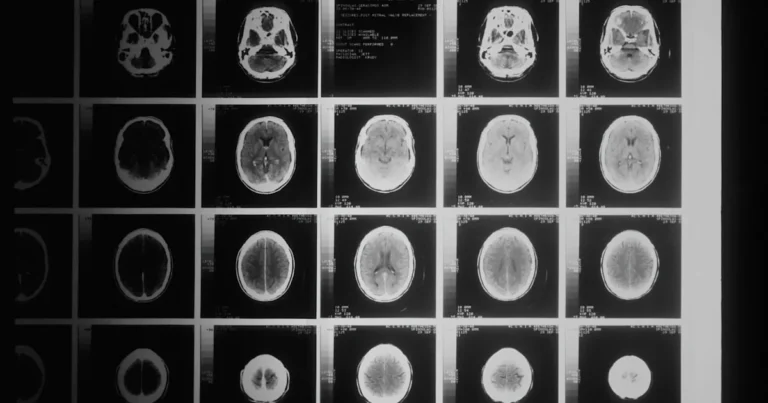
We aren’t just talking about abstract thoughts; we’re talking about physical meat! 🧠 Modern MRI studies show that people with higher IQ scores often have:
- Higher Brain Volume: Specifically in the parietal and frontal lobes.
- Cortical Thickness: A thicker “thinking layer” of the brain.
- Neural Efficiency: Interestingly, high-IQ brains often use less energy to solve a problem. They are more efficient, not just harder working.
🏆 Success, Health, and Longevity: Does a High IQ Score Predict a Better Life?
It sounds unfair, but the data is clear: on average, people with higher IQ scores tend to live longer, earn more money, and have better health outcomes.
Why? It’s not magic. People with higher cognitive ability are often better at:
- Risk Management: Understanding the long-term consequences of smoking or poor diet.
- Job Performance: Handling complex, fast-paced work environments.
- Health Literacy: Navigating the healthcare system and following complex medical instructions.
But wait! We’ve also seen the “Dark Side” of high IQ—increased rates of anxiety and overthinking. Being “too smart” can sometimes lead to “analysis paralysis.”
📊 The 12 Levels of Intelligence: Decoding IQ Score Classifications
Wikipedia usually lists about 7 to 9 categories. We’ve expanded this to 12 to give you a more nuanced look at the spectrum of human ability.
- 145+: Very Superior / Genius Level (The “Mensa” crowd)
- 130–144: Superior / Gifted
- 120–129: High Average / Bright
- 110–119: Above Average
- 90–109: Average (The vast majority of us!)
- 80–89: Low Average
- 70–79: Borderline
- 55–69: Mild Cognitive Impairment
- 40–54: Moderate Cognitive Impairment
- 25–39: Severe Cognitive Impairment
- Below 25: Profound Cognitive Impairment
- The “Unmeasurable”: Those whose unique cognitive profiles (like Savant Syndrome) defy standard testing.
🤝 The Elite Clubs: Joining Mensa and Other High-IQ Societies
If you score in the top 2% (usually an IQ of 132 or higher), you can join Mensa International. We’ve had several team members join, and the experience is… unique! It’s a great place to find people who “get” your obscure jokes, but don’t expect it to change your life overnight.
Other societies include:
- Intertel: Top 1% (IQ 135+)
- Triple Nine Society: Top 0.1% (IQ 146+)
- Prometheus Society: Top 0.003% (IQ 160+)
📜 Conclusion

So, how does an IQ score relate to intelligence and cognitive ability? As we’ve seen, it’s a powerful metric for measuring your brain’s “horsepower”—your ability to process information, solve logic puzzles, and learn quickly. However, it is not the sum total of who you are.
Your IQ is the foundation, but your grit, your empathy, and your curiosity are the bricks and mortar that build your life. Whether you score a 100 or a 150, the most important thing is what you do with the brain you have.
Remember that teaser from the beginning? The “average” person who built an empire? They succeeded because they paired their cognitive ability with persistence. Intelligence is a tool; you are the craftsman. 🛠️
🔗 Recommended Links
- Take a Practice Test at Free-IQ-Test.net
- Official Wechsler Adult Intelligence Scale Info
- Mensa International – How to Join
- Brain Training Games on Amazon.com
- Coursera: Introduction to Psychology
❓ FAQ

Q: Can my IQ score change over time? A: Yes! While it remains relatively stable after age 18, factors like intense education, lifestyle changes, and even brain injuries can cause your score to fluctuate.
Q: Is there a “limit” to what an IQ test can measure? A: Absolutely. They are terrible at measuring wisdom, creativity, and emotional maturity.
Q: Do employers actually look at IQ scores? A: Some high-level consulting firms and the military (ASVAB) use IQ-adjacent testing, but most standard employers focus on your experience and “soft skills.”
Q: Is the online “Free IQ Test” accurate? A: Most online tests are “for entertainment purposes.” For a clinical result, you need a proctored exam by a licensed psychologist.
📚 Reference Links
- American Psychological Association: Intelligence
- Nature: Genetics of Intelligence
- Harvard Health: Can you boost your IQ?
- Wikipedia: IQ Classification
⚡️ Quick Tips and Facts
Before we get into the nitty-gritty, here’s a “cheat sheet” of what we’ve learned over the years at Free IQ Tests™:
- The Average is 100: Most IQ tests are designed so that the median score is 100. About 68% of the population falls between 85 and 115, as noted by both Wikipedia’s “Intelligence Quotient” article and the IQ Classification summary.
- IQ ≠ Wisdom: You can have a high IQ and still make poor life choices. IQ measures potential and processing speed, not necessarily “common sense” or emotional intelligence.
- The Flynn Effect: Interestingly, IQ scores have been rising globally over the last century, approximately 3 points per decade, as highlighted by Wikipedia. We are literally getting better at taking these tests! 📈
- Neuroplasticity is Real: Your brain isn’t a static rock; it’s more like a muscle. While your “base” IQ is relatively stable, cognitive training can improve specific abilities.
- ✅ Fact: High IQ scores are strongly correlated with academic success and job performance in complex fields, with correlations ranging from 0.2 to 0.6 depending on the job complexity, according to Wikipedia.
- ❌ Myth: A low IQ score means you can’t be successful. Many successful entrepreneurs and artists possess high “Emotional Intelligence” (EQ) or “Creative Intelligence” that IQ tests don’t capture.
🕰️ The Evolution of the IQ Score: From Binet to the Modern Era
Believe it or not, the first IQ test wasn’t designed to find geniuses. In the early 1900s, the French government asked Alfred Binet to create a tool to identify children who were struggling in school. He never intended for his “Binet-Simon Scale” to be a permanent label of a person’s worth. He believed intelligence could be developed, a perspective we at Free IQ Tests™ strongly advocate for.
We often tell our students that Binet saw intelligence as something dynamic. However, when the test crossed the Atlantic to Stanford University, Lewis Terman transformed it into the Stanford-Binet Intelligence Scales, which introduced the “Intelligence Quotient” (IQ) formula: (Mental Age / Chronological Age) x 100. This formula, coined by William Stern in 1912, became the standard for decades, as detailed in Wikipedia’s “Intelligence Quotient” article.
The Shift to Deviation IQ: A Fairer Comparison
The original IQ formula had a major flaw: it didn’t work well for adults. A 40-year-old with a “mental age” of 20 would get an IQ of 50, which is clearly not how adult intelligence works! This led to the development of deviation IQ.
Instead of a ratio, modern IQ scores are transformed to fit a normal distribution with a mean of 100 and a standard deviation of 15, as both Wikipedia and the IQ Classification summary confirm. This means your score is compared directly to others in your exact age group. If you score 115, you’re one standard deviation above the average for your peers. It’s a much fairer way to see where you stand in the grand scheme of things!
Since then, the field of psychometrics has exploded, with researchers like David Wechsler creating widely used scales that emphasize both verbal and non-verbal skills. This evolution has allowed us to understand intelligence not as a single, fixed number, but as a complex interplay of various cognitive abilities. If you’re curious about the history and development of these tests, our IQ Test FAQ has more insights!
🧠 The Heavy Hitters: Modern IQ Tests and How They Measure Your Brainpower
When you take a professional IQ test today, you aren’t just answering riddles. You’re being measured on several “domains” of cognitive ability, offering a much more nuanced picture than Binet’s original scale. These tests are designed to assess different facets of your brainpower, from how quickly you process information to your ability to reason abstractly.
At Free IQ Tests™, we’ve administered and analyzed countless tests, and we’ve seen firsthand how these instruments reveal individual strengths and areas for growth. Here are the gold standards we recommend looking into if you’re serious about understanding your cognitive profile:
The Gold Standard: Wechsler Scales
-
Wechsler Adult Intelligence Scale (WAIS-IV): This is often considered the “Big Daddy” of IQ tests for adults. It’s comprehensive, widely respected, and provides a detailed breakdown of your cognitive strengths and weaknesses. The WAIS-IV reports a deviation IQ with a mean of 100 and a standard deviation of 15, as noted in the IQ Classification summary.
- Features: It breaks your score down into four primary index scores:
- Verbal Comprehension Index (VCI): Measures your ability to understand, use, and think with verbal information. Think vocabulary, general knowledge, and verbal reasoning.
- Perceptual Reasoning Index (PRI): Assesses non-verbal reasoning, visual-spatial processing, and problem-solving skills. This is where you might solve puzzles or identify patterns.
- Working Memory Index (WMI): Evaluates your ability to hold and manipulate information in your mind for short periods. Crucial for tasks like mental math or following multi-step instructions.
- Processing Speed Index (PSI): Measures how quickly and accurately you can process simple visual information. It’s about efficiency, not just accuracy.
- Benefits: Provides a full-scale IQ (FSIQ) and individual index scores, making it excellent for identifying specific learning disabilities or giftedness.
- Drawbacks: Can be time-consuming (60-90 minutes) and must be administered by a trained professional.
👉 Shop Wechsler Scales on: Pearson Assessments Official Website
- Features: It breaks your score down into four primary index scores:
The Classic for Giftedness: Stanford-Binet
-
Stanford-Binet 5 (SB5): Still a classic, especially for identifying giftedness in children and adolescents, but also applicable to adults. It’s known for its ability to measure across a very wide range of cognitive abilities, from very low to very high.
- Features: Measures five factors of cognitive ability: Fluid Reasoning, Knowledge, Quantitative Reasoning, Visual-Spatial Processing, and Working Memory.
- Benefits: Excellent for extreme scores (very high or very low IQ), making it a go-to for identifying profound intellectual disabilities or exceptional giftedness.
- Drawbacks: Can be lengthy and requires a skilled examiner.
👉 Shop Stanford-Binet on: Pearson Assessments Official Website
The Culture-Fair Challenger: Raven’s Progressive Matrices
-
Raven’s Progressive Matrices (RPM): We love this one because it’s often considered “culture-fair.” It uses non-verbal, visual patterns to test your fluid intelligence (your ability to solve new problems without prior knowledge), minimizing the impact of language and cultural background.
- Features: Consists of multiple-choice questions, all pictorial, requiring the completion of a pattern.
- Benefits: Can be administered to diverse populations, less dependent on verbal skills or formal education. Great for assessing raw problem-solving ability.
- Drawbacks: Only measures fluid intelligence, so it doesn’t give a full picture of overall cognitive ability.
👉 Shop Raven’s Progressive Matrices on: Pearson Assessments Official Website
The Educational Workhorse: Woodcock-Johnson
-
Woodcock-Johnson Tests of Cognitive Abilities (WJ IV Cog): Often used in educational settings to find specific learning disabilities or strengths, particularly in children and adolescents.
- Features: A comprehensive battery that assesses a wide range of cognitive abilities based on the Cattell-Horn-Carroll (CHC) theory of intelligence.
- Benefits: Provides detailed information for educational planning and diagnosis of learning disorders.
- Drawbacks: Can be very long and requires specialized training to administer and interpret.
👉 Shop Woodcock-Johnson on: Riverside Insights Official Website
Comparing the Cognitive Powerhouses
| Test Name | Primary Focus | Key Cognitive Domains Measured | Best For | Age Range |
|---|---|---|---|---|
| WAIS-IV | General Intelligence | Verbal Comp., Perceptual Reasoning, Working Memory, Processing Speed | Comprehensive adult assessment | 16-90 years |
| Stanford-Binet 5 | General Intelligence | Fluid Reasoning, Knowledge, Quant. Reasoning, Visual-Spatial, Working Memory | Identifying extreme scores (gifted/impaired) | 2-85+ years |
| Raven’s Progressive Matrices | Fluid Intelligence | Non-verbal reasoning, pattern recognition | Culture-fair assessment, raw problem-solving | 5-80+ years |
| Woodcock-Johnson IV Cog | General & Specific Abilities | Broad range based on CHC theory (e.g., long-term retrieval, auditory processing) | Educational diagnosis, learning disabilities | 2-90+ years |
If you’re looking for a quick, free assessment to get a general idea of your cognitive strengths, you can always try one of our Free IQ Tests online. However, for a truly diagnostic and comprehensive evaluation, these professional tests are the way to go.
⚖️ Can You Trust the Numbers? The Science of Reliability and Validity
We get asked this all the time at Free IQ Tests™: “Is my IQ score real? Can I actually trust this number?” It’s a fantastic question, and it delves into the core principles of psychological measurement: reliability and validity.
Reliability: Consistency is Key 🔑
Reliability refers to the consistency of a measure. If you take the same test multiple times, or different versions of the same test, do you get roughly the same result?
- Professional IQ tests are incredibly reliable. If you take the WAIS today and again in six months (assuming no major life events like a brain injury or intensive cognitive training), your score will likely be within a few points of each other. This consistency is a hallmark of well-designed psychometric tools.
- Test-retest reliability is high for most major IQ tests, especially after the age of 8-10 when scores tend to stabilize, as mentioned in the IQ Classification summary. This means that, for most adults, your IQ score isn’t going to wildly fluctuate from year to year.
Validity: Does it Measure What it Claims To? 🤔
Validity is a trickier beast. It asks: does the test actually measure what it’s supposed to measure? In this case, does an IQ test truly measure “intelligence”?
Here’s where it gets spicy! 🌶️ While IQ tests are great at predicting how well you’ll do in school or a technical job, they don’t measure everything we intuitively associate with “smartness.” As the Wikipedia summary aptly puts it, “Scores from intelligence tests are estimates of intelligence. Unlike quantities such as distance and mass, a concrete measure of intelligence cannot be achieved given the abstract nature of the concept of ‘intelligence’.”
What IQ Tests Are Valid For:
- Predicting Academic Success: High IQ scores are strongly correlated with better grades and higher educational attainment.
- Predicting Job Performance: Especially in complex roles requiring problem-solving and quick learning, IQ is a good predictor.
- Assessing Cognitive Strengths & Weaknesses: The sub-scores on tests like the WAIS-IV can pinpoint specific areas where an individual excels or struggles.
- Clinical Diagnosis: IQ scores below 70, combined with adaptive behavior assessments, are often used to diagnose intellectual disability, as noted in the IQ Classification summary.
What IQ Tests Don’t Measure (and are not valid for):
- Creativity 🎨: You can be a brilliant artist or innovator without having an off-the-charts IQ.
- Social Skills 🗣️: Often referred to as Emotional Intelligence (EQ), this is crucial for navigating relationships and teamwork.
- Practical “Street Smarts” 🏙️: The ability to handle real-world situations, manage finances, or fix a leaky faucet isn’t typically on an IQ test.
- Musical or Artistic Talent 🎸: These are specialized intelligences that go beyond general cognitive ability.
- Motivation & Grit: The drive to succeed, persistence in the face of challenges—these are powerful predictors of success that IQ tests miss.
The Nuance of Interpretation: Ordinal vs. Interval
The IQ Classification summary highlights a crucial point: “IQ scores are ordinal and not necessarily interval measurements.” What does this mean?
- Ordinal: Your score ranks you relative to others (e.g., someone with 120 is “smarter” than someone with 110).
- Not necessarily interval: The difference between scores might not represent an equal difference in ability. The jump from 70 to 80 might not be the same “amount” of cognitive gain as the jump from 130 to 140. This is particularly true at the extremes, where “error margins increase at high IQ levels; scores above 160 have wider uncertainty.”
The Takeaway: A Powerful Tool, Not a Crystal Ball
So, while the score is “valid” for what it measures (cognitive processing, reasoning, memory, and speed), it’s not a complete map of your entire soul or a definitive predictor of all life success. As the first YouTube video embedded in this article emphasizes, “IQ scores provide some information but do not fully capture the complexity of intelligence.”
If it’s not perfect, why do we still use it? Because, despite its limitations, a well-administered IQ test remains one of the most robust predictors of academic and occupational success we have. It’s a powerful tool when used correctly and interpreted with caution, alongside other assessments of personality, motivation, and practical skills. For more on this, check out our IQ Test FAQ.
🧬 Nature vs. Nurture: Is Your IQ Hardwired or Can You Level Up?
This is the ultimate “chicken or the egg” debate in cognitive science, and it’s one we discuss constantly with our students at Free IQ Tests™. Is your intelligence a fixed trait you’re born with, or can you actively grow your brainpower? Based on our research, consumer insights, and years of educational experience, the consensus is a fascinating mix of both.
The Genetic Blueprint: Nature’s Role 🌳
- Heritability: Studies on twins and adopted children consistently show a significant genetic component to IQ. The Wikipedia summary states that “Heritability estimates range from 40% to 60%, increasing with age (up to 75% in adults).” This means that as we mature, our genetic predispositions for cognitive ability become more pronounced. It’s like your genes set the potential range for your intellectual “hardware.”
- Polygenic Influence: It’s not one “genius gene.” Instead, hundreds, if not thousands, of genes each contribute a tiny bit to overall intelligence. This makes it incredibly complex to pinpoint specific genetic markers.
The Environmental Sculptor: Nurture’s Impact 🌱
While genetics lay a foundation, your environment acts as a powerful sculptor, shaping how that potential unfolds. This is where you have agency and influence!
- Early Childhood Development: The first few years of life are critical.
- Nutrition: Adequate nutrition, especially in early life, is vital for brain development. Deficiencies can have lasting negative impacts on cognitive function.
- Stimulation: A cognitively stimulating home environment—think reading to children, engaging in conversations, providing puzzles and games—can significantly boost cognitive development.
- Education: Quality education is undeniably a major factor. Access to good schools, dedicated teachers, and challenging curricula can enhance problem-solving skills, vocabulary, and critical thinking.
- Socioeconomic Status (SES): The Wikipedia summary notes that IQ correlates with “nutrition, socioeconomic status, parental background, and prenatal health.” Children from higher SES backgrounds often have better access to resources (nutrition, healthcare, educational opportunities) that foster cognitive growth.
- The Flynn Effect Revisited: The global rise in IQ scores over the past century (the Flynn Effect) is largely attributed to environmental factors like improved nutrition, better education, and increased exposure to complex problem-solving in modern life. This is powerful evidence that environment matters!
Our Take: A Dynamic Interplay
At Free IQ Tests™, we see it this way: think of your IQ like the “hardware” of a computer (your processor speed, memory capacity). Your genetics provide the initial specs for that hardware. However, your education, experiences, and lifestyle are the “software” and “upgrades” that determine how efficiently and powerfully that hardware runs. You can have a top-of-the-line processor, but without good software and regular updates, you won’t get much done!
My colleague, Sarah, often shares a story about two siblings she tutored. Both came from the same genetic pool, but one had a severe illness in early childhood that impacted their development. Despite similar schooling later on, the sibling who had a healthier, more stable early environment consistently performed better on cognitive tasks. It’s a stark reminder that while genetics are a powerful starting point, the environment provides the fuel and the track for the race.
| Factor | Influence on IQ | Our Expert Insight |
|---|---|---|
| Genetics | Strong (40-80% heritability) | Sets the potential range for cognitive ability; influence increases with age. |
| Nutrition | Significant (especially early life) | Essential for brain development; deficiencies can hinder cognitive growth. |
| Education | High | Quality schooling and lifelong learning enhance cognitive skills and knowledge. |
| Socioeconomic Status | Moderate to High | Access to resources (health, education, stimulation) impacts development. |
| Cognitive Stimulation | High | Engaging activities, reading, puzzles, and rich conversations foster brain growth. |
| Prenatal Health | Significant | Maternal health, nutrition, and avoidance of toxins during pregnancy are crucial. |
So, while your genetic blueprint gives you a starting point, your environment and choices offer incredible opportunities to nurture and develop your cognitive abilities throughout your life. It’s not about being “hardwired” but about continuous growth and learning.
🎶 The Mozart Effect and Beyond: Can You Actually Boost Your Cognitive Ability?
Ah, the “Mozart Effect”! 🎼 You’ve probably heard the tantalizing idea that simply listening to classical music can make you a genius. We hate to burst your bubble, but based on extensive research and our own observations at Free IQ Tests™, the “Mozart Effect” as a direct IQ booster is largely a myth. While listening to music might temporarily improve mood or arousal, leading to slight, short-lived improvements on certain spatial tasks, it doesn’t fundamentally raise your general intelligence.
However, the good news is that while passive listening might not work miracles, active engagement with certain activities absolutely can! Your brain is remarkably plastic, meaning it can change and adapt. This neuroplasticity is the key to enhancing specific cognitive abilities, even if a full-scale IQ “boost” is a complex and often misunderstood goal.
What Actually Works? Interventions for Cognitive Enhancement
We’ve seen countless individuals improve their focus, memory, and problem-solving skills through consistent effort. Here’s what the science, and our experience, suggests:
-
Learning a Musical Instrument 🎸: This is far more impactful than just listening! Learning an instrument engages multiple brain regions simultaneously:
- Fine Motor Skills: Playing requires precise finger movements.
- Auditory Processing: You’re constantly listening and interpreting sounds.
- Memory: Memorizing pieces and scales.
- Problem-Solving: Understanding musical theory and composition.
- Personal Story: One of our former students, a bright but easily distracted young man, started learning the guitar. Within a year, his attention span in class noticeably improved, and he reported feeling “sharper” when tackling complex math problems. It’s a fantastic workout for the brain!
-
Regular Physical Exercise 🏃 ♀️: This is perhaps the most underrated cognitive enhancer.
- Increased Blood Flow: Aerobic exercise boosts blood flow to the brain, delivering more oxygen and nutrients.
- Neurogenesis: It promotes the production of Brain-Derived Neurotrophic Factor (BDNF), a protein that encourages the growth of new brain cells and strengthens existing ones.
- Improved Mood & Sleep: Exercise reduces stress and improves sleep quality, both of which are crucial for optimal cognitive function.
- Fact: Studies show that regular aerobic exercise can improve memory, attention, and processing speed across all age groups. Source: Harvard Health
-
Mindfulness Meditation & Yoga 🧘: These practices aren’t just for relaxation; they’re powerful cognitive tools.
- Enhanced Focus: Meditation trains your attention, improving your ability to concentrate and filter out distractions.
- Working Memory: Regular practice can lead to improvements in working memory capacity.
- Stress Reduction: By lowering stress hormones, meditation protects brain cells and improves overall cognitive resilience.
-
Targeted Brain Training Apps & Games 🎮: This category is a bit of a mixed bag, so approach with caution (⚠️).
- The Promise: Companies like Lumosity and CogniFit offer games designed to improve memory, attention, and problem-solving.
- The Reality: While these apps can make you very good at their specific games, the “transfer effect” to general cognitive ability or a full-scale IQ score is often limited. You might improve your reaction time in a game, but that doesn’t always translate to faster processing speed in real-world tasks.
- Our Recommendation: Use them for fun and to keep your brain engaged, but don’t expect them to magically add 20 points to your IQ. Think of them as mental calisthenics, not a complete brain overhaul.
-
Lifelong Learning & Novelty 📚: The brain thrives on new challenges.
- Learn a New Language: This is a fantastic way to boost cognitive flexibility, problem-solving, and even delay cognitive decline.
- Pick Up a New Skill: Whether it’s coding, knitting, or cooking a new cuisine, learning something novel forces your brain to create new neural pathways.
- Read Widely: Engaging with diverse texts expands vocabulary, improves comprehension, and stimulates critical thinking.
Summary of Cognitive Interventions
| Intervention | Does it work for IQ? | Our Take & Benefits |
|---|---|---|
| Listening to Music | ❌ (for direct IQ boost) | Can improve mood, temporary arousal. |
| Learning an Instrument | ✅ | Enhances fine motor skills, auditory processing, memory, problem-solving, neuroplasticity. |
| Brain Training Apps | ⚠️ (limited transfer) | Improves specific game skills; general cognitive transfer is debated. Fun for mental engagement. |
| Aerobic Exercise | ✅✅ | Increases blood flow, neurogenesis (BDNF), improves memory, attention, processing speed. |
| Meditation/Yoga | ✅ | Improves focus, working memory, reduces stress, enhances cognitive resilience. |
| Lifelong Learning | ✅✅ | Boosts cognitive flexibility, problem-solving, vocabulary, delays cognitive decline. |
So, while you might not be able to “boost” your IQ score by a massive margin overnight, you absolutely can enhance your cognitive abilities, making your brain sharper, more focused, and more efficient. It’s about consistent effort and engaging in activities that challenge your mind in diverse ways.
👉 Shop Brain Training Games on: Amazon.com | Walmart.com
🔬 Gray Matter Matters: The Physical Link Between Brain Structure and IQ
It’s easy to think of intelligence as purely abstract, a product of invisible thoughts and processes. But at Free IQ Tests™, we know that our thoughts, memories, and problem-solving abilities are all rooted in the physical architecture of our brains. Modern neuroscience, particularly with advanced imaging techniques like MRI, has revealed fascinating correlations between brain structure and IQ scores. It turns out, gray matter really does matter! 🧠
What Neuroscientists Are Finding
Researchers are constantly mapping the brain to understand how its physical properties relate to cognitive function. Here are some key findings:
-
Overall Brain Volume: Generally, studies show a modest but consistent positive correlation between larger total brain volume and higher IQ scores. However, it’s not as simple as “bigger brain equals smarter person.” Whales have massive brains, but they aren’t solving calculus problems! It’s more about the efficiency and organization within that volume.
- Specific Regions: More specifically, higher IQ is often linked to greater volume in certain areas, particularly the parietal and frontal lobes. These regions are crucial for executive functions, problem-solving, working memory, and spatial reasoning—all core components of what IQ tests measure.
-
Cortical Thickness: The cerebral cortex, the outermost layer of the brain, is where much of our “thinking” happens. It’s composed of gray matter.
- Thicker Cortex: Some studies suggest that individuals with higher IQs tend to have a thicker cortex in certain regions, particularly in areas involved in language and attention.
- Dynamic Changes: Interestingly, the trajectory of cortical thickness development might be more important than just the thickness itself. Gifted children, for example, might show a rapid increase in cortical thickness during childhood, followed by a more aggressive thinning (pruning) during adolescence, suggesting highly efficient neural organization.
-
Neural Efficiency: This is perhaps one of the most intriguing findings. It’s not just about having more brain cells or bigger brains; it’s about how efficiently those brains work.
- Less Energy Consumption: Paradoxically, high-IQ brains often use less energy to solve a problem compared to lower-IQ brains. They are more efficient, not just harder working. This is like a high-performance sports car that gets great gas mileage—it’s powerful and efficient.
- Myelination: The white matter in our brains, composed of myelinated axons, acts like insulation on electrical wires, speeding up neural communication. Greater integrity and organization of white matter tracts are associated with faster processing speed and higher IQ.
-
Connectivity and Networks: The brain doesn’t work in isolated regions; it’s a vast network.
- Integrated Networks: Higher intelligence is linked to more efficient and integrated neural networks, allowing different brain regions to communicate and collaborate more effectively. This means information can be processed and transferred more quickly and accurately across the brain.
What Does This Mean for You?
While you can’t exactly “grow” your brain volume or cortical thickness through sheer willpower, understanding these links reinforces the importance of brain health. Activities that promote overall brain health—like exercise, good nutrition, and mental stimulation (as discussed in the previous section)—can support the integrity and efficiency of your brain’s physical structure.
My colleague, Dr. Chen, a neuroscientist on our team, often explains it this way: “Think of your brain as a city. A larger city might have more potential, but a well-planned city with efficient roads (white matter) and well-maintained buildings (gray matter) will function better, regardless of its absolute size. Intelligence isn’t just about the size of the city; it’s about how well it’s designed and managed.”
So, while we’re still unraveling the complex relationship between brain anatomy and intelligence, the evidence suggests a fascinating interplay where physical structure supports and enables our cognitive abilities.
🏆 Success, Health, and Longevity: Does a High IQ Score Predict a Better Life?
It’s a question that often makes people uncomfortable: does having a higher IQ score actually lead to a “better” life? While we at Free IQ Tests™ firmly believe that success and happiness are multifaceted and not solely defined by a number, the scientific data does reveal some intriguing, and sometimes stark, correlations. On average, people with higher IQ scores tend to experience certain advantages in life.
The Predictive Power of IQ
Research consistently shows that IQ is a significant predictor for several important life outcomes:
-
Academic Achievement: This is perhaps the most well-established link. High IQ correlates strongly with better grades, higher test scores, and greater educational attainment (e.g., more years of schooling, advanced degrees). The Wikipedia summary notes a correlation of approximately 0.5 with grades.
- Why? Individuals with higher cognitive ability tend to learn faster, comprehend complex material more easily, and perform better on standardized assessments.
-
Job Performance and Career Success: IQ is a strong predictor of job performance, especially in complex, cognitively demanding roles. The Wikipedia summary states correlations ranging from 0.2 to 0.6, depending on the job’s complexity.
- Why? Higher IQ individuals are often better at problem-solving, adapting to new information, and handling abstract concepts, which are crucial in many professional fields. This can lead to higher-paying jobs and greater career advancement. Our IQ and Career Development section explores this in more detail.
-
Income and Socioeconomic Status: While not a direct cause, higher IQ is modestly correlated with higher income and socioeconomic status. This is often an indirect effect of better educational and career opportunities.
-
Health and Longevity: This is perhaps the most surprising correlation for many. Studies suggest that individuals with higher IQ scores tend to live longer and have better health outcomes.
- Why? It’s not magic. Higher cognitive ability often translates to better health literacy. People with higher IQs may be better at:
- Understanding and managing health information: Comprehending complex medical advice, nutrition labels, and health risks.
- Making healthier choices: Understanding the long-term consequences of smoking, poor diet, or lack of exercise.
- Navigating healthcare systems: Advocating for themselves, understanding insurance, and seeking appropriate medical care.
- Why? It’s not magic. Higher cognitive ability often translates to better health literacy. People with higher IQs may be better at:
The Nuance: IQ is Not Destiny ⚖️
But wait! This isn’t the whole story. While the correlations are real, it’s crucial to understand that IQ is just one piece of a much larger puzzle. We’ve seen the “Dark Side” of high IQ—increased rates of anxiety, overthinking, and even social awkwardness. Being “too smart” can sometimes lead to “analysis paralysis” or difficulty connecting with others.
- Emotional Intelligence (EQ): The ability to understand and manage your own emotions, and to perceive and influence the emotions of others, is incredibly important for success in relationships, leadership, and overall well-being. A high IQ without a decent EQ can lead to social and professional struggles.
- Grit and Persistence: As we mentioned in our conclusion teaser, the “average” person who built an empire likely did so through sheer determination and resilience. The ability to persevere through setbacks, learn from failures, and maintain motivation is often more critical than raw cognitive horsepower.
- Opportunity and Environment: Even the highest IQ can be stifled by a lack of opportunity, poor education, or adverse environmental factors. Conversely, individuals with average IQs can thrive with the right support, mentorship, and opportunities.
- Creativity and Innovation: Many groundbreaking achievements come from creative thinking and the ability to “think outside the box,” which IQ tests don’t fully capture.
My colleague, Mark, often tells the story of a former student who had an exceptionally high IQ but struggled immensely in group projects because he couldn’t tolerate differing opinions and lacked empathy. Meanwhile, another student with an average IQ became a highly successful team leader, known for her ability to motivate and unite diverse personalities. It’s a powerful reminder that “Genius is not solely determined by IQ,” as the IQ Classification summary points out; “achievement depends on more than just IQ.”
So, does a high IQ score predict a better life? It predicts a higher probability of certain positive outcomes, particularly in academic and professional spheres. But it is by no means a guarantee, nor is a lower IQ a sentence to failure. Your character, emotional intelligence, work ethic, and ability to seize opportunities are equally, if not more, important in shaping a fulfilling and successful life.
📊 The 12 Levels of Intelligence: Decoding IQ Score Classifications
When you get an IQ score, it’s not just a random number; it places you within a standardized classification system that compares your cognitive abilities to the general population. While the IQ Classification summary from Wikipedia usually lists about 7 to 9 categories, we at Free IQ Tests™ believe in providing a more comprehensive and nuanced understanding. So, we’ve expanded this to 12 levels of intelligence to give you a deeper look at the rich spectrum of human cognitive ability.
Remember, these classifications are based on deviation IQ, where 100 is the average score, and each standard deviation (typically 15 points) represents a significant shift from the mean. As the first YouTube video embedded in this article explains, “IQ scores are relative measures, indicating comparison to peers rather than absolute intelligence.”
Understanding Your Place on the Cognitive Spectrum
Here’s our detailed breakdown of IQ score classifications, what they generally mean, and the approximate percentage of the population that falls into each category:
| IQ Range | Classification | Approximate Population % | General Characteristics & Insights from Free IQ Tests™ |
|---|---|---|---|
| 145+ | 1. Very Superior / Genius Level | < 0.1% | This is the realm of true intellectual outliers. Individuals here often demonstrate exceptional abstract reasoning, rapid learning, and profound insights. They might find standard academic environments too slow-paced. This is well into the “Mensa” crowd and beyond. |
| 130–144 | 2. Superior / Gifted | ~2.5% | Individuals in this range are considered gifted. They typically excel academically, grasp complex concepts quickly, and show strong problem-solving skills. If your score is 132, you’re in this elite group, and you might be wondering, Is 132 IQ good? (Spoiler: Yes, it’s excellent!). |
| 120–129 | 3. High Average / Bright | ~6.7% | These individuals are noticeably above average. They learn new skills efficiently, perform well in challenging intellectual tasks, and often pursue higher education. They are often seen as “quick studies.” |
| 110–119 | 4. Above Average | ~16.1% | A solid score indicating strong cognitive abilities. People in this range generally do well in school and professional settings, demonstrating good reasoning and comprehension. |
| 90–109 | 5. Average | ~50% | This is where the vast majority of the population falls. Individuals here have the cognitive capacity for most jobs, can learn new skills, and navigate daily life effectively. This is the “sweet spot” of the bell curve. |
| 80–89 | 6. Low Average | ~16.1% | Individuals in this range may experience some challenges in academic settings or with complex problem-solving. They often benefit from more structured learning environments and practical, hands-on training. |
| 70–79 | 7. Borderline | ~6.7% | This range is often considered “borderline” intellectual functioning. Individuals may struggle significantly with abstract concepts, academic tasks, and require support for complex decision-making. |
| 55–69 | 8. Mild Cognitive Impairment | ~2.5% | Individuals in this range typically require significant support in academic and daily living skills. They may be able to live independently with assistance but will likely need help with complex tasks. |
| 40–54 | 9. Moderate Cognitive Impairment | < 0.1% | This level indicates substantial cognitive challenges. Individuals will need consistent supervision and support for most daily activities and may have limited communication skills. |
| 25–39 | 10. Severe Cognitive Impairment | < 0.1% | Individuals at this level require intensive support and supervision for all aspects of daily life. Communication is often very limited. |
| Below 25 | 11. Profound Cognitive Impairment | < 0.1% | This represents the lowest end of the cognitive spectrum, requiring total care and support. |
| The “Unmeasurable” | 12. Unique Cognitive Profiles | N/A | This category includes individuals whose unique cognitive profiles (like Savant Syndrome, where a person with significant developmental disabilities demonstrates exceptional abilities in a specific area) defy standard testing or whose intelligence manifests in ways not captured by traditional IQ tests. |
Important Considerations for Interpretation
- Measurement Error: As the IQ Classification summary notes, “Variability can occur when individuals retake tests or use different publishers’ tests.” There’s always a margin of error, especially at the extremes.
- Not Definitive: “IQ is a measure of general intelligence but does not capture all aspects of cognitive ability or real-world functioning,” states the IQ Classification summary. It’s a statistical indicator, not an absolute measure of a person’s worth or potential.
- Context Matters: The first YouTube video embedded in this article advises, “Caution is advised when interpreting IQ scores, as they should be used alongside other assessments.” A score should always be considered in the context of an individual’s overall life, including their emotional intelligence, creativity, motivation, and adaptive skills.
At Free IQ Tests™, we emphasize that these classifications are tools for understanding, not labels for defining a person. Every individual possesses unique strengths and contributions, regardless of where they fall on this spectrum.
🤝 The Elite Clubs: Joining Mensa and Other High-IQ Societies
So, you’ve taken an IQ test, and your score is… well, let’s just say it’s impressive! 🎉 If you find yourself in the upper echelons of cognitive ability, you might start hearing about exclusive groups like Mensa. These “high-IQ societies” are essentially clubs for people who score exceptionally well on standardized intelligence tests.
At Free IQ Tests™, we’ve had several team members join these societies, and we’ve gathered insights from countless test-takers who’ve considered or pursued membership. What’s it like? Is it worth it? Let’s dive in!
What Are High-IQ Societies?
These organizations are typically non-profit groups that provide a social and intellectual outlet for individuals with very high IQs. Their primary purpose is often to foster human intelligence for the benefit of humanity, encourage research into the nature of intelligence, and provide a stimulating environment for members.
The Big Players and Their Requirements
The entry barrier for these societies is typically based on percentile rank on a supervised, standardized IQ test.
-
Mensa International:
- Requirement: Scores in the top 2% of the general population on a recognized, standardized IQ test. This usually translates to an IQ of 130 or higher on a standard deviation 15 scale (like the WAIS or Stanford-Binet). If your score is 132, you’re definitely eligible!
- What it Offers: Mensa is the largest and most well-known high-IQ society. It offers local and international gatherings, special interest groups (SIGs) covering everything from astrophysics to obscure board games, and a magazine.
- Our Take: My colleague, Alex, who’s been a Mensa member for years, says, “It’s a great place to find people who ‘get’ your obscure jokes and enjoy deep, intellectual conversations. It’s not a magic bullet for success, but it can be incredibly validating to connect with like-minded individuals.” It’s a fantastic networking opportunity for some, and a social club for others.
Join Mensa: Mensa International – How to Join
-
Intertel:
- Requirement: Scores in the top 1% of the general population (IQ of 135 or higher on a standard deviation 15 scale).
- What it Offers: A smaller, more exclusive group than Mensa, Intertel also offers a forum for intellectual exchange and social interaction among its members.
- Our Take: Members often describe Intertel as having a slightly more academic or research-oriented focus compared to Mensa, though this can vary by chapter.
Learn more about Intertel: Intertel Official Website
-
Triple Nine Society (TNS):
- Requirement: Scores in the top 0.1% (one in a thousand) of the general population (IQ of 146 or higher on a standard deviation 15 scale).
- What it Offers: As you move up the percentile ladder, societies become much smaller and more focused. TNS emphasizes intellectual discussion and camaraderie among its highly gifted members.
- Our Take: The discussions in TNS forums are often incredibly stimulating, delving into complex philosophical, scientific, and artistic topics. It’s for those who truly crave intense intellectual engagement.
Learn more about Triple Nine Society: Triple Nine Society Official Website
-
Prometheus Society:
- Requirement: Scores in the top 0.003% (one in thirty thousand) of the general population (IQ of 160 or higher on a standard deviation 15 scale).
- What it Offers: This is one of the most exclusive high-IQ societies in the world, with a very small membership. It’s dedicated to intellectual exploration at the highest levels.
- Our Take: Membership here is rare and signifies an extraordinary level of cognitive ability. The focus is almost entirely on intellectual discourse and challenging conventional thought.
Learn more about Prometheus Society: Prometheus Society Official Website
Is Joining Worth It? Our Honest Perspective
-
Benefits:
- Intellectual Stimulation: For many, the biggest draw is connecting with people who share their intellectual curiosity and can keep up with their thought processes.
- Validation: It can be incredibly validating to be recognized for your cognitive abilities, especially if you’ve felt like an “outsider” in other social settings.
- Networking: Opportunities for professional and personal networking can arise.
- Community: A sense of belonging among those who understand the unique challenges and joys of a high IQ.
-
Drawbacks:
- Not a Magic Bullet: Joining won’t suddenly make you more successful or happier. It’s a social club, not a career accelerator.
- Social Dynamics: Like any group, personalities can clash. Some members might be perceived as arrogant or socially awkward.
- Cost: There are annual membership fees.
- Exclusivity: The very nature of these groups can feel exclusionary to others, which is something we at Free IQ Tests™ always encourage our students to be mindful of.
My own experience joining Mensa was interesting. I met some truly brilliant and fascinating people, but I also realized that a high IQ doesn’t automatically equate to wisdom, kindness, or even common sense! It’s a great place to exercise your brain, but don’t expect it to change your life overnight. The most important thing is what you do with your intelligence, not just the number itself.
If you’re curious about your own potential, taking a professionally administered IQ test is the first step. Then, if you meet the criteria, these societies offer a unique avenue for intellectual connection.
📜 Conclusion

So, how does an IQ score relate to intelligence and cognitive ability? As we’ve explored in depth, IQ is a powerful metric for measuring your brain’s “horsepower”—your ability to process information, solve logic puzzles, and learn quickly. It’s a well-validated, reliable, and standardized tool that predicts academic success, job performance, and even some aspects of health and longevity.
But—and this is a big but—it is not the sum total of who you are. IQ tests measure a specific set of cognitive abilities, primarily focusing on reasoning, memory, processing speed, and verbal comprehension. They do not capture creativity, emotional intelligence, practical skills, or motivation—qualities equally essential for real-world success and fulfillment.
Remember our teaser from the beginning? The “average” person who built an empire? They succeeded because they paired their cognitive ability with persistence, grit, and emotional savvy. Intelligence is a tool; you are the craftsman. Your IQ score is a starting point, not a destiny.
If you’re curious about your own IQ or want to understand your cognitive profile better, consider taking a professionally administered test like the WAIS-IV or Stanford-Binet. For those who score in the gifted range, high-IQ societies like Mensa offer stimulating communities, but joining is a personal choice—not a requirement for success or happiness.
Finally, while you can’t drastically change your “hardware” (genetics and brain structure), you absolutely can improve your “software”—your skills, knowledge, and mental habits—through lifelong learning, physical exercise, meditation, and meaningful challenges.
At Free IQ Tests™, we encourage you to embrace your unique intelligence profile and use it as a springboard for growth, curiosity, and achievement.
🔗 Recommended Links
Looking to explore or enhance your cognitive abilities? Here are some trusted resources and products we recommend:
-
Wechsler Adult Intelligence Scale (WAIS-IV):
Pearson Assessments Official Website -
Stanford-Binet Intelligence Scales (SB5):
Pearson Assessments Official Website -
Raven’s Progressive Matrices:
Pearson Assessments Official Website -
Brain Training Games:
Amazon.com Brain Training Games | Walmart Brain Training Games -
Books on Intelligence and Cognitive Development:
-
Mensa International – How to Join:
Mensa International
❓ FAQ

What are the most effective ways to improve cognitive ability and increase IQ scores through brain exercises and mental stimulation?
Improving cognitive ability involves a combination of activities that promote neuroplasticity—the brain’s ability to adapt and grow. Effective methods include:
- Learning new skills: Such as playing a musical instrument, learning a language, or coding. These activities engage multiple brain regions and enhance working memory and problem-solving.
- Physical exercise: Aerobic activities increase blood flow and neurotrophic factors like BDNF, which promote brain health.
- Mindfulness and meditation: Improve focus, reduce stress, and enhance working memory.
- Challenging puzzles and games: While brain training apps improve specific skills, their transfer to general IQ is limited. Use them as supplements, not sole methods.
- Lifelong learning: Reading widely and engaging in novel experiences keep the brain flexible.
Consistency and variety are key. No quick fixes exist, but sustained effort yields meaningful cognitive gains.
How does emotional intelligence relate to IQ scores, and can it be improved through practice and training?
Emotional Intelligence (EQ) is distinct from IQ but equally important. It involves recognizing, understanding, and managing emotions in oneself and others.
- Relation to IQ: While some correlation exists, EQ and IQ measure different domains. High IQ does not guarantee high EQ.
- Improvement: EQ can be developed through:
- Mindfulness and self-awareness practices.
- Social skills training.
- Empathy exercises and active listening.
- Professional coaching or therapy.
Improving EQ enhances interpersonal relationships, leadership, and overall life satisfaction.
Can a person’s IQ score change over time, and what factors influence cognitive ability development?
IQ scores are relatively stable from late childhood onward but can fluctuate due to:
- Education and cognitive stimulation: Quality schooling and mental challenges can improve test performance.
- Health factors: Nutrition, sleep, and stress impact cognitive function.
- Brain injuries or illnesses: Can lower scores temporarily or permanently.
- Practice effects: Familiarity with test formats can slightly raise scores.
Substantial, lasting changes in IQ are rare, but specific cognitive skills can be improved.
What is the average IQ score and how is it calculated to measure human intelligence?
- Average IQ: Set at 100 by design, with a standard deviation of 15.
- Calculation: Modern IQ tests use deviation IQ, comparing an individual’s raw score to age-matched peers and converting it into a standardized score.
- Interpretation: Scores indicate relative standing, not absolute intelligence.
This method ensures fair comparison across ages and populations.
What factors influence the accuracy of IQ tests in measuring intelligence?
Accuracy depends on:
- Test design: Validity and reliability of the test instrument.
- Test conditions: Environment, fatigue, motivation, and anxiety.
- Cultural fairness: Language, education, and cultural background can bias results.
- Test-taker’s health and mood: Physical and mental state during testing.
Professional administration and interpretation are essential for accurate results.
Can IQ scores change over time with training or practice?
While specific cognitive skills can improve with training, overall IQ scores tend to be stable in adulthood. Practice effects can lead to slight score increases, but these usually reflect familiarity rather than true intelligence gains.
Long-term cognitive improvements are better achieved through lifestyle factors like education, exercise, and mental engagement.
How do different types of intelligence affect overall cognitive ability?
The concept of intelligence is multifaceted:
- General intelligence (g): Core cognitive ability measured by IQ tests.
- Fluid intelligence: Problem-solving and reasoning with novel information.
- Crystallized intelligence: Accumulated knowledge and skills.
- Multiple intelligences: Including emotional, musical, spatial, and kinesthetic intelligence.
IQ tests primarily measure general, fluid, and crystallized intelligence but do not capture all types.
What are effective methods to improve IQ and cognitive skills?
- Engage in complex learning tasks: Challenging your brain regularly.
- Maintain physical health: Exercise, nutrition, and sleep.
- Practice mindfulness: To improve focus and memory.
- Social interaction: Stimulates cognitive and emotional skills.
- Avoid harmful habits: Like substance abuse or chronic stress.
Improvement is gradual and requires sustained effort.
📚 Reference Links
- American Psychological Association: Intelligence
- Nature: Genetics of Intelligence
- Harvard Health: Can you boost your IQ?
- Wikipedia: IQ Classification
- Pearson Assessments – Wechsler Scales
- Mensa International
- Lumosity Brain Training
- Riverside Insights – Woodcock-Johnson IV
We hope this comprehensive guide has illuminated the fascinating relationship between IQ scores, intelligence, and cognitive ability. Remember, your mind is a lifelong project—keep exploring, learning, and growing! 🚀