Support our educational content for free when you buy through links on our site. Learn more
121 IQ & Mensa: What You Need to Know 🧠 [2024]


Have you ever wondered what it takes to join Mensa, the exclusive high-IQ society? Maybe you’ve taken an IQ test and scored a 121, leaving you curious about your potential. You’re not alone! Many people are fascinated by the world of high IQs and the societies that cater to them. In this article, we’ll delve into the world of Mensa, explore what a 121 IQ means, and uncover the secrets to boosting your cognitive abilities. Think of it as a crash course in intelligence, tailored for the curious mind.
Remember that time you aced a tricky puzzle or effortlessly grasped a complex concept? That might be a sign of a high IQ! But does a 121 IQ score guarantee a spot in Mensa? And what exactly does a high IQ score mean for your life? Let’s unravel the mysteries of intelligence and discover what makes Mensa so exclusive.
Quick Answer
- A 121 IQ is impressive, placing you in the “Superior” intelligence category, but it doesn’t meet Mensa’s requirement of being in the top 2% of the population, which typically translates to an IQ of 130 or higher.
- Mensa is a high-IQ society that welcomes individuals scoring in the top 2% on standardized IQ tests.
- IQ is just one measure of intelligence, and other factors, such as emotional intelligence, grit, and social support, play a significant role in life success.
- You can nurture your cognitive abilities through stimulating activities, a healthy lifestyle, and lifelong learning.
👉 Shop Mensa on:
- Amazon: Mensa Products
- Mensa International Website: Mensa Official
Table of Contents
- Quick Tips and Facts
- The History of Mensa and the 121 IQ Threshold
- What is a High IQ Score?
- How IQ is Measured and What the Score Indicates
- What IQ Doesn’t Indicate
- Improving Your IQ Score: Is It Possible?
- Mensa Membership: Benefits and Requirements
- The World of High IQ Societies: Beyond Mensa
- The Psychology of Intelligence: Exploring the Nuances
- The Impact of IQ on Life Success: Fact or Fiction?
- Takeaway: Embracing Your Unique Intelligence
- Was this article helpful?
- Conclusion
- Recommended Links
- FAQ
- Reference Links
Quick Tips and Facts (Is 121 a good IQ?)
🧠 A 121 IQ is higher than average and falls within the “Superior” intelligence classification.
🧠 Mensa, the high IQ society, requires an IQ in the top 2%, typically 130 or above. So, while 121 is impressive, it falls a bit short of Mensa’s requirements.
🧠 Don’t fret! IQ isn’t everything. Plenty of successful people don’t have sky-high IQs. Focus on your strengths and passions! 💪
🧠 Curious about your own IQ? Take a free, reliable IQ test on our site!
The History of Mensa and the 121 IQ Threshold

Ever wondered how Mensa came to be? Or why a 121 IQ, while above average, doesn’t get you a golden ticket? Buckle up – it’s story time! 📚
The Birth of a High IQ Society
Mensa, founded in England in 1946 by Roland Berrill and Dr. Lance Ware, had a simple goal: to create a society where intelligence was the only criterion for membership. They envisioned a group free from the barriers of politics, religion, and social background.
The Magic Number: Why 130 (or thereabouts)?
Mensa’s entry requirement is scoring in the top 2% of a standardized IQ test. Now, the exact score this translates to can vary slightly depending on the specific test used, but it generally falls around 130 or higher.
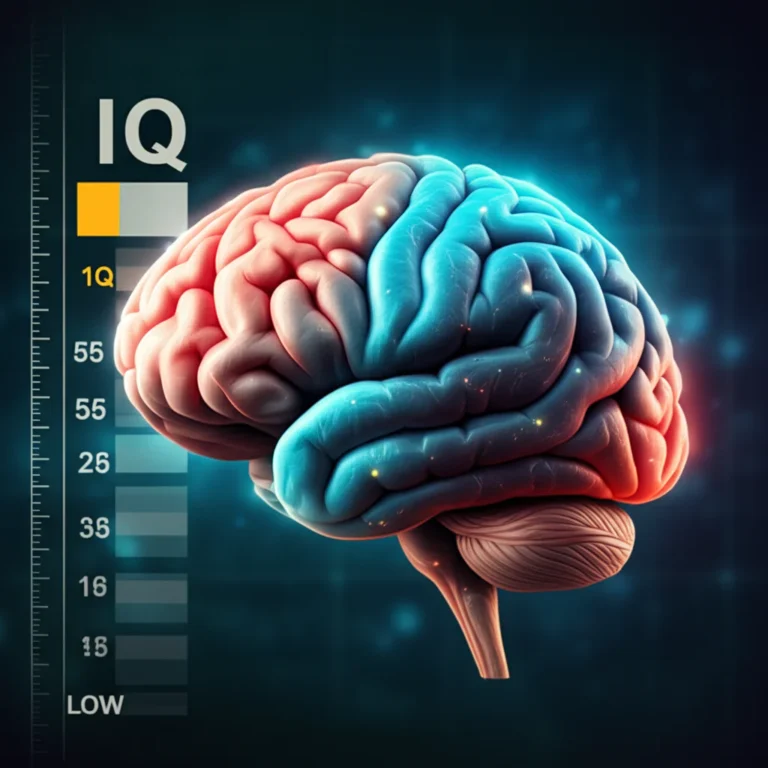
Why the top 2%? It’s all about the bell curve, baby! 📊 IQ scores follow a normal distribution, meaning most people cluster around the average (100), with fewer individuals at the extremes. The top 2% represents a significant deviation from the norm, indicating exceptional cognitive abilities.
So, What About 121?
A 121 IQ is nothing to sneeze at! It places you above 91% of the population, putting you in the “Superior” intelligence category. You’re likely a quick learner, excel at problem-solving, and have a knack for abstract thinking.
However, Mensa’s aim is to gather the most intellectually gifted individuals, creating a space for them to connect and engage in stimulating discussions. Think of it like an exclusive club – a 121 IQ gets you through the first velvet rope, but not quite to the VIP lounge. 😉
What is a High IQ Score?
We toss around the term “high IQ” a lot, but what does it really mean? 🤔 Let’s break it down:
Decoding the Numbers
- Average IQ: The average IQ score hovers around 100. Think of this as the baseline – most people fall within this range.
- Above Average IQ: Scores above 100 indicate above-average cognitive abilities. You’re sharper than the average cookie! 🍪
- High IQ: This is where things get interesting! While there’s no universally agreed-upon definition, a high IQ generally refers to scores of 130 or above. This puts you in the top 2% of the population – Mensa territory! 🧠
- Genius Level IQ: Now we’re talking about the intellectual elite! Scores of 145 and above are often considered genius level. Think Albert Einstein, Marie Curie, Stephen Hawking – you get the picture.
It’s Not Just a Number!
Remember, IQ is just one measure of intelligence. It doesn’t capture the full spectrum of human capabilities, such as creativity, emotional intelligence, or practical skills.
Free IQ Tests: Your Gateway to Discovery
Want to see where you stand on the IQ scale? Our free IQ tests provide a fun and reliable way to assess your cognitive abilities. Who knows, you might just surprise yourself! 😉
How IQ is Measured and What the Score Indicates
Ever wondered what goes on behind the scenes of an IQ test? Let’s demystify the process:
Inside the IQ Test: A Glimpse into the Mind
IQ tests are designed to measure a range of cognitive skills, including:
- Verbal Reasoning: Understanding and using language effectively. Think vocabulary, analogies, reading comprehension.
- Logical Reasoning: Analyzing information, identifying patterns, and solving problems logically. Puzzles, anyone? 🧩
- Spatial Reasoning: Visualizing and manipulating objects mentally. Imagine rotating shapes in your head – that’s spatial reasoning in action!
- Working Memory: Holding and manipulating information in your mind for a short period. Remember that string of numbers? That’s your working memory at play.
- Processing Speed: Completing tasks quickly and accurately. Time is of the essence! ⏱️
From Raw Scores to IQ: The Transformation
When you take an IQ test, your raw score (the number of correct answers) is converted to an IQ score using a statistical process called standardization. This ensures that your score is compared to others in your age group, allowing for fair and accurate comparisons.
Beyond the Number: What Your IQ Score Tells You
Your IQ score provides insights into your cognitive strengths and weaknesses. It can help identify potential learning difficulties, guide educational and career choices, and even shed light on your personality traits.
What IQ Doesn’t Indicate
Hold your horses! 🐎 Before you crown yourself the next Einstein based on your impressive IQ score, let’s talk about what IQ doesn’t tell us:
The Myth of IQ as a Destiny Predictor
Contrary to popular belief, IQ is not a crystal ball that predicts your future success, happiness, or overall worth as a human being. It’s simply a measure of certain cognitive abilities at a specific point in time.
The Many Faces of Intelligence
IQ tests primarily focus on analytical and logical thinking, neglecting other crucial aspects of intelligence, such as:
- Emotional Intelligence (EQ): The ability to understand and manage your own emotions and those of others. Think empathy, self-awareness, and social skills.
- Creative Intelligence: The ability to generate novel ideas and solutions. Think outside the box! 💡
- Practical Intelligence: The ability to navigate everyday challenges and find practical solutions. Street smarts, anyone?
The Power of Hard Work and Determination
Never underestimate the power of hard work, perseverance, and a positive attitude. While a high IQ can be an advantage, it’s not a guarantee of success. Conversely, a lower IQ doesn’t doom you to failure.
Improving Your IQ Score: Is It Possible?
Can you boost your brainpower and increase your IQ score? The answer is a bit more nuanced than a simple yes or no. Let’s explore:
The Nature vs. Nurture Debate
Intelligence is a complex interplay of genetics (nature) and environmental factors (nurture). While your genes lay the foundation, your environment and experiences play a crucial role in shaping your cognitive abilities.
Nurturing Your Cognitive Garden
While you can’t change your genes, you can create an environment that fosters cognitive growth:
- Stimulating Activities: Challenge your brain with puzzles, brain games, learning new skills, and engaging in intellectually stimulating conversations.
- Healthy Lifestyle: A healthy body supports a healthy mind. Prioritize nutritious food, regular exercise, and quality sleep.
- Lifelong Learning: Never stop learning! Read books, explore new subjects, and embrace challenges that push you outside your comfort zone.
The Verdict: It’s Complicated
While there’s no magic pill to drastically increase your IQ, research suggests that engaging in brain-boosting activities and adopting a healthy lifestyle can lead to modest improvements in cognitive function.
Mensa Membership: Benefits and Requirements
So, you aced that IQ test and think you might be Mensa material? Let’s dive into the world of high IQ societies:
Unlocking the Doors to Mensa: The Requirements
Mensa’s entry requirement is simple yet exclusive: score in the top 2% of a standardized IQ test. This typically translates to an IQ of 130 or higher, though the exact score may vary slightly depending on the test used.
More Than Just a Brainy Bunch: The Benefits of Membership
Joining Mensa isn’t just about bragging rights (though, let’s be honest, that’s a perk!). Here’s what you get:
- Intellectual Stimulation: Engage in thought-provoking conversations, attend lectures and events, and connect with like-minded individuals who challenge and inspire you.
- Social Connections: Mensa offers a welcoming and supportive community where you can forge friendships with people who share your intellectual curiosity.
- Personal Growth: Mensa provides opportunities for personal and professional development through workshops, networking events, and access to a wealth of resources.
Ready to Join the Ranks?
If you’re interested in joining Mensa, the first step is to take an official IQ test administered by a qualified professional. You can find testing centers and more information on the Mensa International website.
The World of High IQ Societies: Beyond Mensa
Think Mensa is the only game in town for high-IQ individuals? Think again! A whole world of exclusive societies awaits:
The Triple Nine Society: For the Exceptionally Gifted
With an IQ requirement in the top 0.1% (that’s 1 in 1,000!), the Triple Nine Society is not for the faint of heart (or brain!).
Intertel: A Global Community of High Achievers
Intertel, requiring an IQ in the top 1%, welcomes individuals from all walks of life who share a passion for intellectual pursuits.
Prometheus Society: Pushing the Boundaries of Intelligence
For those who soar above even the top 1%, the Prometheus Society sets the bar at the 99.997th percentile or higher. Talk about exclusive!
Finding Your Tribe: Exploring Your Options
Each high IQ society offers a unique blend of benefits and opportunities. Do your research, explore their websites, and see which one resonates with your interests and goals.
The Psychology of Intelligence: Exploring the Nuances
Intelligence is a multifaceted and often debated concept. Let’s delve into the fascinating world of intelligence research:
Beyond IQ: Expanding Our Understanding of Intelligence
Psychologists have proposed various theories of intelligence, moving beyond the narrow confines of IQ tests:
- Multiple Intelligences Theory (Howard Gardner): This theory suggests that we possess multiple intelligences, such as linguistic, logical-mathematical, spatial, musical, bodily-kinesthetic, interpersonal, intrapersonal, and naturalistic.
- Triarchic Theory of Intelligence (Robert Sternberg): This theory proposes three types of intelligence: analytical (academic problem-solving), creative (generating novel ideas), and practical (street smarts).
The Nature and Nurture of Intelligence: An Ongoing Debate
The debate over whether intelligence is primarily determined by genetics (nature) or environment (nurture) continues to rage on. While genes undoubtedly play a role, research suggests that environmental factors, such as early childhood experiences, education, and socioeconomic status, also have a significant impact.
The Evolving Landscape of Intelligence Research
Intelligence research is a dynamic field with ongoing discoveries and evolving perspectives. New technologies, such as brain imaging, are providing unprecedented insights into the neural underpinnings of intelligence.
The Impact of IQ on Life Success: Fact or Fiction?
Does a high IQ guarantee a life of success and fulfillment? Let’s separate fact from fiction:
The Correlation vs. Causation Conundrum
While studies have shown a correlation between IQ and certain life outcomes, such as academic achievement and income level, it’s crucial to remember that correlation does not equal causation. In other words, just because two things are related doesn’t mean that one causes the other.
The Importance of Other Factors
Numerous other factors contribute to life success, including:
- Emotional Intelligence (EQ): The ability to understand and manage emotions is crucial for building relationships, navigating social situations, and achieving goals.
- Grit and Resilience: Overcoming challenges, bouncing back from setbacks, and persevering through adversity are essential for long-term success.
- Social Support and Networks: Having a strong support system of family, friends, and mentors can provide invaluable guidance, encouragement, and resources.
The Bottom Line: IQ is Just One Piece of the Puzzle
While a high IQ can be an asset, it’s not a guarantee of success. Conversely, a lower IQ doesn’t doom you to failure. Life success is a multifaceted and complex phenomenon influenced by a myriad of factors, with IQ being just one piece of the puzzle.
Takeaway: Embracing Your Unique Intelligence
As we’ve explored the intricate world of IQ, one thing is clear: intelligence is not a one-size-fits-all concept. Whether you’re a Mensa candidate or simply curious about your cognitive abilities, here’s what truly matters:
- Embrace Your Strengths: Identify your unique cognitive strengths and leverage them to pursue your passions and achieve your goals.
- Nurture Your Growth: Engage in activities that challenge your mind, foster lifelong learning, and promote a healthy lifestyle.
- Value All Forms of Intelligence: Recognize that intelligence comes in many forms, from analytical prowess to creative genius to practical street smarts.
- Don’t Let a Number Define You: Your IQ score is just one data point in the rich tapestry of your being. Don’t let it limit your potential or define your worth.
Was this article helpful?
We hope this deep dive into the world of 121 IQ and Mensa has been insightful and engaging! Let us know if you have any other burning questions about IQ, intelligence, or the fascinating world of high IQ societies. 🧠💡
Conclusion

So, you’ve delved into the world of IQ, Mensa, and the fascinating realm of high intelligence. We’ve learned that a 121 IQ is impressive, placing you in the “Superior” category, but falls just short of Mensa’s top 2% requirement. Remember, though, IQ is just one piece of the puzzle. Focus on your strengths, nurture your growth, and embrace the many facets of intelligence.
Remember, our free IQ tests are a great way to explore your cognitive abilities. Take one today and see where you stand!
Recommended Links
👉 Shop Mensa on:
- Amazon: Mensa Products
- Mensa International Website: Mensa Official
👉 Shop Triple Nine Society on:
- Triple Nine Society Website: Triple Nine Official
👉 Shop Intertel on:
- Intertel Website: Intertel Official
👉 Shop Prometheus Society on:
- Prometheus Society Website: Prometheus Official
Books on Intelligence:
- Amazon: Intelligence Books
FAQ

Is 121 Mensa IQ good?
While a 121 IQ is impressive, placing you in the “Superior” category, it doesn’t meet Mensa’s requirement of being in the top 2% of the population, which typically translates to an IQ of 130 or higher.
What does this mean for Mensa membership?
While a 121 IQ is commendable, it won’t grant you access to Mensa. To join, you’ll need to score higher on a standardized IQ test.
Read more about “Is 121 a Good IQ for a 12-Year-Old? 7 Things Every Parent Should Know … 🤔”
Is an IQ of 121 gifted?
Yes, an IQ of 121 is considered gifted. It falls within the “Superior” intelligence range, indicating above-average cognitive abilities. You’re likely a quick learner, excel at problem-solving, and have a knack for abstract thinking.
What does being gifted mean?
Giftedness refers to individuals with exceptional intellectual abilities, often demonstrated through high IQ scores, advanced academic performance, and exceptional talents.
How smart are you if your IQ is 121?
An IQ of 121 places you in the top 9% of the population, meaning you’re smarter than 91% of other people. You’re likely a quick learner, have a good grasp of abstract concepts, and excel at problem-solving.
What does it mean to be “smart”?
“Smart” is a broad term that encompasses various cognitive abilities, including analytical thinking, creative problem-solving, emotional intelligence, and practical skills. An IQ score provides one measure of cognitive ability, but it doesn’t capture the full spectrum of intelligence.
Read more about “… Is 121 a Good IQ?”
How many people have 121 IQ?
Approximately 9% of the population has an IQ of 121 or higher. This means that out of every 100 people, about 9 individuals would score at or above this level.
What does this tell us about the distribution of IQ?
IQ scores follow a bell curve, meaning most people cluster around the average (100), with fewer individuals at the extremes. A 121 IQ places you in the “Superior” range, which is a significant deviation from the norm.
Read more about “Is 121 IQ Good for a 14-Year-Old? 🤔 …”
Reference Links
- Mensa International: Mensa Official
- Triple Nine Society: Triple Nine Official
- Intertel: Intertel Official
- Prometheus Society: Prometheus Official
- IQ Classification – Wikipedia: IQ Classification
- Healthline: What is considered a high IQ?
- The Plum Tree: Can you improve your child’s IQ?
- Wikipedia: IQ Classification